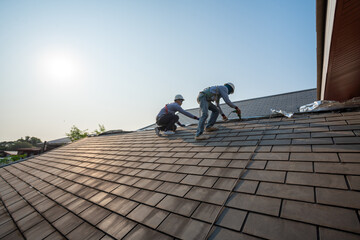
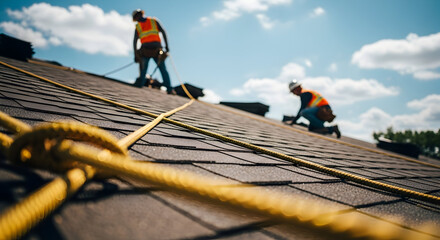
A roof is more than just the top layer of a home; it is a critical barrier that protects your property from harsh weather, moisture intrusion, and environmental damage. Despite its importance, many homeowners neglect routine roof care, which can lead to leaks, structural damage, and costly repairs. Professional roofing services offer a range of solutions, but homeowners can also take proactive steps to maintain their roofs between inspections. Understanding proper roof maintenance, early warning signs of damage, and strategies for prolonging roof lifespan can save money, enhance energy efficiency, and ensure the safety of your home.
Regular roof inspections are the cornerstone of effective roof maintenance. Even if no visible damage is present, subtle issues such as small cracks, loose shingles, or rusted flashing can compromise the integrity of your roof over time. Inspections should be conducted at least twice a year, ideally in the spring and fall, and after extreme weather events. During an inspection, look for signs such as curling or missing shingles, water stains in the attic, moss or algae growth, and sagging areas. Professional roofers can also identify problems that may not be apparent to the untrained eye, providing a comprehensive evaluation and preventing future damage. Read on to Learn More.
Gutter and drainage maintenance is another vital aspect of roof care. Clogged gutters prevent proper water flow, leading to pooling on the roof, leaks, and potential foundation damage. Debris such as leaves, twigs, and dirt can accumulate quickly, especially in homes surrounded by trees. Regular cleaning, combined with checking downspouts for blockages, ensures that water is directed away from the roof and foundation. Additionally, adding gutter guards or screens can reduce the frequency of maintenance and protect the roof from water-related deterioration.
Roof cleaning and debris removal are essential preventive measures. Leaves, branches, and other debris not only block water flow but can also trap moisture, leading to mold, rot, and structural weakening. Moss and algae are particularly problematic for shingle roofs, as they retain moisture and accelerate deterioration. Roof cleaning should be performed carefully to avoid damaging shingles or tiles. Soft washing techniques, along with the application of eco-friendly cleaning solutions, are recommended to maintain the roof’s integrity while removing harmful buildup.
Repairs and timely replacement of damaged components are key to extending a roof’s lifespan. Missing or broken shingles, cracked tiles, rusted metal panels, or damaged flashing can quickly escalate into more severe problems if left unattended. Professional roofing services provide targeted repair solutions, ensuring that damaged areas are properly sealed, reinforced, or replaced. Addressing these issues early prevents water infiltration, mold growth, and structural compromise, ultimately saving money and extending the overall life of the roof.
Two preventive maintenance strategies every homeowner should prioritize include:
- Seasonal Roof Checks: Conduct visual inspections and minor maintenance tasks each season to detect early signs of wear, weather damage, or debris accumulation.
- Professional Assessments: Schedule periodic evaluations by certified roofing contractors to address issues that may not be obvious to homeowners and to ensure compliance with safety and building standards.
Proper ventilation and insulation are often overlooked aspects of roof health. Adequate ventilation prevents heat and moisture buildup in the attic, which can warp shingles, cause condensation, and reduce energy efficiency. Insulation works hand-in-hand with ventilation, helping to maintain consistent indoor temperatures and reducing strain on heating and cooling systems. Roof maintenance should include inspection of attic vents, insulation levels, and signs of moisture accumulation to ensure long-term roof performance.
Roof coatings and sealants provide an additional layer of protection. Applying reflective or waterproof coatings can extend the lifespan of roofing materials, improve energy efficiency, and reduce exposure to ultraviolet rays. Sealants protect joints, seams, and vulnerable areas from water penetration. While these measures are not substitutes for proper installation or repairs, they serve as an effective enhancement to routine maintenance, particularly in climates with heavy rainfall or intense sunlight.
Emergency roofing services are also a critical component of comprehensive roof care. Severe storms, fallen trees, or sudden leaks can pose immediate risks to a home’s structural integrity and interior. Rapid response services, such as temporary tarping, leak mitigation, and structural stabilization, prevent further damage and provide homeowners with the time and resources to plan permanent repairs or replacements. Prompt action during emergencies is essential to minimize costs and maintain a safe living environment.
In addition to physical maintenance, choosing durable roofing materials contributes significantly to longevity and performance. Options such as asphalt shingles, metal roofing, clay or concrete tiles, and synthetic alternatives offer varying levels of durability, weather resistance, and energy efficiency. A well-selected material, combined with professional installation, reduces the likelihood of premature wear, enhances aesthetic appeal, and ensures compliance with local building codes.
Key benefits of consistent roof maintenance include:
- Extended Lifespan: Routine inspections, cleaning, and minor repairs prevent damage from escalating, increasing the longevity of the roof.
- Cost Savings: Addressing minor issues early avoids expensive emergency repairs and full roof replacements.
- Enhanced Energy Efficiency: Proper insulation, ventilation, and reflective coatings reduce energy costs by maintaining consistent indoor temperatures.
- Improved Safety: Regular checks and repairs minimize risks of leaks, structural damage, or falling debris.
- Preserved Property Value: A well-maintained roof contributes to the overall appeal, durability, and market value of the home.
It is important to recognize that roof maintenance is a combination of homeowner responsibility and professional expertise. While homeowners can perform visual inspections, clean debris, and ensure proper drainage, professional roofing services provide the skill, tools, and knowledge necessary for comprehensive evaluations, repairs, and preventive solutions. Partnering with experienced contractors ensures that maintenance is conducted safely, efficiently, and in accordance with industry standards.
In conclusion, roofing services are more than just repairs and replacements—they encompass inspection, maintenance, cleaning, emergency support, and guidance on materials and installation. By prioritizing regular roof care, addressing damage promptly, and investing in professional assessments, homeowners can protect their properties, reduce energy costs, and extend the life of their roof. Preventive measures and proactive maintenance are the most effective strategies for ensuring that a roof continues to provide shelter, durability, and value for years to come. A strong roof is not only a protective barrier but a long-term investment in safety, efficiency, and peace of mind.