What You Need For Roof Replacement

Roofing Company Missouri

A new roof, backed by a strong warranty, can add value to your home. It may also prevent future roof repair costs.

Roofing Company measures the square footage of your roof to estimate how many materials you’ll need. This includes all living areas, garages, overhangs and covered entryways. The type of roofing material also impacts the cost.

Cost

Roof replacement is one of the most costly home improvement projects. However, it’s also a vital investment to protect your house and your belongings from damage and other costly issues like water leaks. It’s important to understand the costs of a new roof so you can make informed choices about your project. Learn about the actual cost of replacing a roof in your area, per square foot pricing and how different roofing materials impact the cost. Additionally, it’s helpful to know if your homeowner’s insurance covers the cost of a new roof.

The most obvious factor in the cost of a roof is the type and quality of the roofing material used. Basic asphalt shingles tend to be the most affordable option, while premium materials like slate or metal cost much more. The size of your roof and its pitch (steepness) can also affect the price. A steeper roof requires more material and labor, driving up the cost.

Local labor rates and regional factors also influence the overall cost of a roof replacement. Labor rates are typically higher in urban areas, and roofing materials are more expensive in areas that experience extreme weather conditions. Additionally, your municipality may require additional permits and inspections, which can add to the cost.

Other costs include a new underlayment, which protects the roof from moisture, and flashing, which secures the shingles. Debris removal and disposal can also add to the cost of a roof replacement.

If your roof is damaged and in need of repair, re-roofing may be a more cost-effective alternative to a full replacement. This repair is less invasive and takes less time, making it more budget-friendly than replacing the entire roof. However, if the damage is extensive or your roof is nearing the end of its lifespan, a replacement will be more economical.

The best way to determine the cost of a new roof is to consult with several local roofing contractors. Request quotes for the work you need and compare the prices to ensure you get the most value for your money. Ask each contractor for a breakdown of the work and costs to help you understand what’s included in your quote. It’s also important to consider whether a warranty or guarantee is offered, which can provide peace of mind and reduce the risk of future problems.

Materials

The roof is one of the most critical parts of your home for a variety of reasons. It protects you from weather and the elements, keeps your house warm, and boosts your home’s value. But a new roof is a big project, and it requires a lot of materials to get the job done right. Here’s a quick rundown of what you need for your roofing project.

Start with the sheathing, which is a wood foundation layer that contractors attach shingles and other roof coverings to. Sheathing is typically made from plywood or OSB, and it is crucial for the structural integrity of your roof. If sheathing is damaged or rotten, it should be replaced before any work starts on the actual roofing material.

Next, you’ll need the shingles themselves. There are many different options to choose from, including a basic asphalt shingle or a more high-end architectural shingle. You can also find impact-resistant shingles that help reduce damage from hail and debris.

Shingles can come in a wide range of colors, and you can even find options that mimic the look of other materials like slate or clay. Consider how well the shingle color will complement your home’s style, and be sure to check whether the shingles are compatible with your climate.

If your roof is on the older side, you might want to consider membrane roofing instead of shingles. Membrane roofing is a popular choice for flat and low-pitched roofs, and it offers excellent protection against water and UV rays. It’s a good option for those who want to upgrade their roof but aren’t interested in a major renovation project.

In addition to shingles, you’ll need the proper flashing for valleys and dormers. A properly installed flashing can help prevent leaks and protect the structure of your roof. It can also help keep your home’s energy costs down by reducing the amount of heat that escapes through your roof.

Another important part of your roof is the fascia board, which is placed at the end of the rafters or trusses. It protects them from moisture and is the attachment point for your gutters.

Installation

If your roof has extensive damage or is nearing the end of its lifespan, it may be time for a replacement. A new roof will improve your home’s protection, energy efficiency, and curb appeal. By doing your research, choosing the right roofing materials, and hiring a reputable contractor, you can ensure a smooth installation and a long-lasting roof.

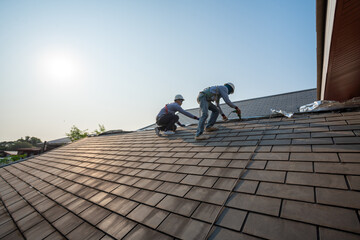
The first step in the process is preparing the property. Your roofer will set up tarps to protect foundation plantings, cover the pool (if applicable), and lean wooden boards against walls to keep debris from falling off the house. They will also put down tarps to protect driveways and walkways. The crew will also remove existing shingles, remove the old valley flashing and drip edge, and clean up the debris. They will then put down the new sheathing and shingle base, and add ice barriers around the vents, chimneys, skylights, and other penetrations. The gutters will be cleaned and inspected for damage. After everything is complete, the roofer will double-check to make sure the job was done correctly. They will look for leaks in areas that are known to leak (around eaves, chimneys, and skylights) and check the shingles for cracks or fading. The roofer will also go over the manufacturer’s and workmanship warranties with you to ensure you understand what is covered.

A leaking roof can cause damage to the interior of your home, but it can also lead to mold and rot. These issues can be costly to repair, and they can affect your home’s value. If you’re considering a roof replacement, you should consider getting a new warranty to protect your investment.

While re-roofing is generally less expensive than a full roof replacement, it’s a good idea to replace your roof if it has extensive damage or multiple layers of shingles. Replacing your roof with a quality material that will last longer will save you money in the long run, and it will increase your home’s energy efficiency. In addition, it’s a good idea to check with your insurance company to make sure your roof meets their guidelines for coverage.

Insurance

It’s important for homeowners to understand how their insurance covers roof damage and replacement costs. According to Bill Ragan Roofing, different home policies have different settlement options for roof loss claims. These options include actual cash value, which pays what your roof is worth at the time of the claim, or replacement cost value, which pays to replace your roof with a brand-new one. Some policies may also allow you to supplement the replacement cost with upgrades. If you choose to do this, it’s important to keep track of the upgrade cost and make sure that your final replacement cost is close to what your insurance company paid.

Homeowners should also consider the age of their roof. While most homeowner’s insurance policies cover damage caused by sudden events, damage from wear and tear or lack of maintenance may not be covered (Bill Ragan Roofing). Additionally, many insurers limit or exclude coverage for roofs over 20 years old, which can leave homeowners with significant out-of-pocket expenses.

Insurance coverage varies significantly, depending on the policy type and deductible. A standard homeowners policy generally has a higher deductible than other types of insurance, making it important to understand the coverage before filing a claim. Some policies may even require an appraisal or inspection to assess the roof’s condition and value.

During the roof replacement process, homeowners should carefully document any storm damage with clear photographs and relevant information. This will help homeowners negotiate with their insurance company about the level of damage and potential coverage.

The most common insurance coverage for roof replacement is called “Replacement Cost.” It’s a type of homeowners insurance that covers the full cost to replace your existing roof with a new one, which is often less than what your current home was worth at the time of purchase. The best option for homeowners is to purchase a replacement cost policy, which offers the most peace of mind and financial protection in the event of severe weather damage. However, homeowners should understand that replacement cost insurance can be more expensive than actual cash value insurance, which takes into account depreciation over time.

Visit our Professional Services Blogs

Chris Atkins Lawncare, Atticus Landscaping, Treasure Coast Pressure Wash, Gulf Beach Plumbing, Marlborough Plumbing, Guns And Hoses Pressure Washing, Ambrose Construction, Coral Gables Pressure Washing, Willco Photography, Roofing Akron, Danalogsdon Roofing El Cajon, EC Siding Roofing Windows, Aurora Gutter, American Insurance Source, ECO, etdn, Denison Service League,  Roofing Blog, Atlantic Vinyl Windows, Brookshires Fireplaces, JD Advanced Remodeling, Product Judgment, Master Dry Foundation Repair, Moe’s Hip, Elta Patio Paramount, Rock Around The Clock Festival, Learn, Play, Beyond, MoralesT Gardening, Car Window Tinting Perth, Duncan Carpentry, Gatestone Lighting, Mid Missouri Mold Inspections, Stucco Repair Albuquerque, Wausau Siding Hire, Munster Tree Care, Blue Granite Homes, Custom House, CENTRAL OS, Atlanta Pavers, Phillips Law Firm, Brent Ryder MasonryWalker Construction Drywall Division, RJ Law, Caledon Plumbing, DDS Tech USA, Maine Mortgage Services, Inckpen, Seasons at Rose Creek, Cottonwood Place Dental, Cosmetic Laser 2000 
Roofing Basics

Cedar Park Roofing is the physical structure that protects buildings from weather elements. Whether you’re a homeowner looking to repair your roof, or an architect with a design project that calls for a new structure, it’s important to understand roofing basics.

Roofing

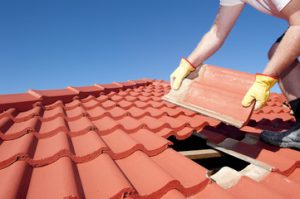
Asphalt shingles are common in residential construction because they’re affordable, durable, and easy to install. They also offer a range of aesthetic options.

Insulation may not be the most exciting home improvement project, but it’s one of the best investments you can make in your home. It saves energy, improves comfort, and prolongs the life of your roof and home.

When it comes to deciding what kind of insulation you want to install in your home, it’s important to understand how insulation works and the different options available.

A good insulator is made up of non-metallic materials filled with tiny air pockets. The air pockets resist the flow of heat about 15,000 times better than a good metallic conductor of the same thickness. Some popular types of insulators include foamed plastics, cork, fiberglass, rock wool, and cellulose. Some insulators are also fireproof. Others are made from natural fibers, such as sheep’s wool, and are a more sustainable option.

Generally, the higher the R-value, the more effective the insulation is. However, R-value is not the only factor to consider when choosing your insulation, as heat can still move in and out through radiation and convection. You should also consider the type of insulation you are choosing, and whether it creates a complete air seal.

For example, fiberglass batt insulation is rolled and fitted between studs, joists, and beams during a remodel or new construction. It is relatively inexpensive and provides good thermal resistance. Cellulose and foamed plastics are more environmentally friendly alternatives, but they don’t have the R-value of fiberglass.

Another popular choice is spray foam insulation, which expands upon application to fill gaps and crevices. It is often more expensive than other forms of insulation, but it can be a great solution for hard-to-reach areas and offers excellent R-value.

There are two kinds of spray foam: open and closed cell. Open cell is a more durable option that holds its shape after installation, but it doesn’t offer the same expansion as closed cell.

Adding insulation to the ceiling of your home is usually the most cost-effective way to increase your R-value, since it covers such a large area. However, it’s important to work with a roof services company to ensure that the job is done correctly and that your home doesn’t leak.

Ventilation

The roof is an important part of any building, providing protection, insulation, and structural stability. It is also an integral part of a home’s ventilation system, allowing air to circulate properly and prevent mold, mildew, and other problems. In addition, proper roof ventilation protects the structure from heat damage and saves money on energy bills. The roof is a complex structure that includes the framework, decking, and outer layer of materials. To ensure a long-lasting roof, it is essential to choose the right materials, design, and maintenance strategies.

Proper ventilation prevents heat and moisture from accumulating in the attic, which can damage shingles, warp the decking, and rot the underlayment. Moisture and heat in the attic can also affect indoor air quality, causing respiratory issues for residents. Good ventilation can prevent these problems by directing cool, fresh air to the attic from the soffit vents and exhausting hot or stale air through the ridge or gable vents.

The ideal roof ventilation system is designed to provide a continuous flow of fresh, clean air through the attic and out of the house. This airflow uses intake vents (soffit, gable, or drip-edge) to bring in cold air and exhaust vents (ridge, box, turbine, or powered vents) to push warm air out. This process helps avoid attic overheating during summer, which can cause the shingles to curl and blister.

Ventilation is also important in commercial buildings to improve the indoor air quality and provide comfort for occupants. Air recirculation can help reduce indoor pollutants by removing dust and diluting metabolic pollutants, such as carbon dioxide and odours. However, it is best paired with source control measures to reduce pollution in the first place. For example, if a business is located near a freeway, it is best to limit the amount of secondhand smoke that enters the building to prevent health issues. In addition, reducing emissions from coal-burning factories can prevent pollutants from migrating indoors.

Durability

Durability is a crucial aspect of any roofing system. It helps prevent roof leaks and water accumulation, which can lead to structural damage and mold growth. Durability is also key in minimizing the need for repair and maintenance, as well as reducing energy costs. Durability is influenced by various factors, including climate conditions, design and installation, protective coatings, maintenance schedule, roof pitch, and ventilation systems.

Durable roofing solutions protect buildings from extreme weather challenges while enhancing energy efficiency and lowering long-term costs. Durable roofing materials include asphalt shingles, metal, tile, slate, and premium composite roofing products. Each material offers different pros and cons, but all offer a level of durability that will help withstand severe weather conditions and environmental elements.

In addition to a durable roof, a sturdy underlayment layer adds an extra barrier of protection between the decking and the shingle surface. While felt underlayments were once the standard for roofing, synthetic underlayments have gained popularity for their durability and moisture-repellent properties.

Choosing the right roofing material is a critical decision for any homeowner or commercial property owner. The best durable roofing options for California are those that offer superior resistance to the region’s unique environmental challenges, while also meeting the specific needs of the building and its occupants. Durable roofing solutions that are backed by professional installation and routine maintenance help reduce energy costs, extend the lifespan of the roof, and enhance the overall value of the structure.

Aesthetics

The roof is not just a structural component – it also has the power to dramatically affect the look and style of a building. For this reason, it’s important to choose a roofing style that matches the architectural ethos of the structure. Classic materials like slate and clay tiles can add elegance and historical authenticity, while more modern roofs can benefit from sleek flat roofing systems or innovative green roofs that emphasize sustainability and clean lines.

Philosophical Aesthetics is a broad area of study that deals with the nature and origin of aesthetic experiences, such as beauty, pleasure, and art. The field’s history includes works by writers such as Hutcheson, Hume, and Kant. More recently, philosophers have debated issues related to the proper role of aesthetic concepts. For example, some have argued that pure aesthetic concepts are not appropriate in the context of moral judgments and should be restricted to non-moral objects of awareness. Other philosophers, however, have defended the use of pure aesthetic concepts in moral judgments, and have suggested that the concept of beauty is not as objective as once believed.

Aesthetics is not just about artistic objects, but can include all kinds of things, from mathematical equations to the way a tree grows. In general, the goal of philosophical aesthetics is to analyze the nature of these experiences and how they relate to our lives. It is important to keep in mind that, even though our sense of beauty varies, we all share some experiences and some emotions related to these experiences.

For example, many people find a waterfall or sunset beautiful. However, it is important to note that these are not the same kind of experience as the enjoyment of a piece of art.

Solar Panels Cost, Efficiency, and Durability

Solar Helena MT Panels convert sunlight into electricity, reducing reliance on the energy grid and helping your community. It will reduce the stress on the local power supply during peak demand periods, and it will allow you to earn money for your excess energy production.

Solar Panels

Choosing the right solar panels for your property requires careful consideration of factors such as space availability, obstructing objects, and aesthetics. Start by surveying your property and arranging for a professional site visit.

Several factors determine the cost of solar panels. These include electricity rates, installation costs, and the size of the system. A larger system will generally cost more than a smaller one, but the savings will be greater, too. The type of panel, whether it’s a monocrystalline or polycrystalline, also affects cost and performance. Monocrystalline panels offer more efficiency and are more expensive, while polycrystalline cells have a lower price point but still perform well. The type of home and annual energy usage also impacts cost. A bigger house requires more power and will require a larger system, which increases the cost. Additionally, the type of racking equipment and monitoring technology can also influence cost and performance.

A solar power system is a great way to save money on your utility bills. It is a green alternative to traditional power sources, producing no carbon dioxide emissions during operation (though some CO2 may be produced during manufacturing). Typically, solar panels pay for themselves within five to 10 years and continue to produce energy at a very low cost. Some homeowners even achieve net zero electricity expenses with the help of a battery backup and can be completely independent from the grid.

Solar panel prices have dropped dramatically since 2010, and they’re now more affordable than ever. A recent study found that PV breaks even at most pricing nodes in the United States, with the exception of some high-value markets. The research analyzed electricity prices at six independent system operators (ISOs) in California, Texas, the Midwest, the Northeast, and the Mid-Atlantic.

Another benefit of solar energy is that it can be used for any application, from cooking to lighting and cooling. Using solar power can reduce your electricity bills by 70%-90%, making it a good choice for homes with higher electricity costs. The savings you can achieve will increase over time, as your utility rates rise.

In addition to reducing your electric bills, solar panels can improve your property value and provide environmental benefits. They are durable, long-lasting, and do not emit harmful chemicals. They can also be recycled at the end of their lifecycle, reducing landfill waste and resource consumption.

Efficiency

The efficiency of solar panels is a crucial factor in determining the power production of a solar energy system. The higher the panel’s efficiency, the more electricity it can produce. In addition, higher efficiency can reduce your energy costs and increase the durability of the solar system over time. There are several factors that affect solar panel efficiency, including the type of semiconductor material, the cell design, and the color of the protective backsheet.

A new technology called bifacial solar cells offers even greater energy efficiency. These solar panels can capture sunlight from both sides, which allows them to produce more electricity at lower temperatures. Moreover, their design is more durable and requires fewer parts to manufacture. These advances make bifacial solar panels an excellent option for high-efficiency applications in space and on Earth.

Solar panel efficiency is influenced by various meteorological conditions, such as temperature, humidity, and cloud cover. These effects can be mitigated by performing regular maintenance and keeping the solar panels clean. A recent study by NREL showed a strong correlation between the efficiency of solar panels and meteorological parameters. The results also suggest that the efficiencies of PV systems will continue to improve as the technology evolves.

While solar panels cannot generate electricity at night or on overcast days, their efficiency can still be improved by regularly maintaining them and orienting them to the sun’s path. Solar panel orientation is known as solar panel tilt or angle, and it should be adjusted according to the latitude of the location. In general, a solar panel should face south (or north) to maximize sunlight exposure.

Humidity directly affects solar panel efficiency by reducing the sun’s intensity, increasing condensation formation, and hampered heat dissipation. It can also cause dust accumulation and impede sunlight absorption. Consequently, it is important to maintain your solar panels regularly and install effective cooling systems.

Despite these challenges, solar panels are still an excellent source of energy and can greatly reduce your energy bills. They are also an environmentally friendly alternative to fossil fuels. In addition, a grid-tied solar energy system can help you sell any excess energy to your utility provider, which will help reduce your overall energy costs.

Durability

Solar panels are an investment in a renewable energy source, so durability is essential to ensuring their long lifespan. Fortunately, solar technology has improved significantly over the years. Its efficiency has improved consistently, and most systems today can convert 15% to 20% of the sunlight they absorb into electricity. Increasing efficiency has led to reduced capital costs and faster payback periods. However, the durability of solar panels is still an issue.

The environment your solar panels are placed in directly correlates to how long they will last. Exposure to extreme heat or cold can significantly reduce their lifespan, just like other electronic devices. Heat and cold cycling can also cause the silicon materials in the panel to expand and contract, leading to microcracks. These cracks can eventually cause the panel to break.

Another factor that affects solar panel durability is the quality of its front glass. This is because the glass provides both electrical insulation and environmental protection, and it must also maintain transparency to allow light to reach the solar cells. High-quality solar panels typically feature a low-iron front glass with an antireflective coating. This helps to maximize light transmission and durability.

Additionally, the backsheet material plays a crucial role in solar panel durability. It must provide electrical insulation and be resistant to UV degradation, moisture ingress, and mechanical stress. The best backsheets are made of fluoropolymers, which offer superior durability compared to polyester.

The quality of the silicon used in solar panels is another important factor. A high-quality silicon can withstand temperature fluctuations and mechanical stress. However, an unreliable silicon can easily degrade due to the aging process and inclement weather.

While efficiency metrics are essential for the success of solar power, durability is a vital aspect of their sustainability. Durability enables solar energy to achieve its full potential as a transformative global resource. This is especially critical given the high cost of replacing or repairing existing solar infrastructure.

Moreover, a longer lifespan allows solar panels to minimize the embodied energy and carbon footprint of the production and operation stages. It also promotes recyclability and minimizes landfill waste. This is particularly true for advanced solar technologies such as perovskite solar cells, which contain toxic elements.

Maintenance

Solar energy systems require regular cleaning, monitoring, and occasional repairs to maintain efficiency and lifespan. Neglecting these tasks can lead to decreased performance and premature system failure. This guide helps homeowners and businesses understand the best practices for maintaining solar power systems.

Cleanliness is an important part of maintenance for solar panels, as they are prone to build-up from salt, ammonia, and bird droppings. Rain and snow usually rinse them off, but stubborn debris can accumulate over time. A few times per year, it’s a good idea to use a long hose from the safety of the ground to remove dirt and other contaminants.

Regular inspections are also essential for solar panel maintenance. These should include a visual check for signs of damage or degradation in solar panels and other system components, such as the inverter. It’s also a good idea to examine wiring and connections for looseness or corrosion, which can negatively impact performance. These inspections can be performed by home owners, but it’s always best to hire a professional to perform any repairs or upgrades.

Other maintenance tasks can include removing shade from solar panels. Sunlight is key for generating electricity, so any shading from nearby trees or buildings can decrease the amount of power produced by your solar system. This is especially true during winter and early or late in the day when sunlight is less intense. In these cases, you can hire a tree service or landscaper to trim branches that are obstructing the sun.

Lastly, you should regularly check for animal nests or chewed wires. These problems can significantly reduce the efficiency of your solar panels, and they can be costly to repair or replace. To prevent these issues, you can install simple barriers around your solar panels or call pest control professionals to handle the problem.

Fortunately, solar panels are made from tempered glass that’s designed to resist damage from the elements. It’s not uncommon for small cracks to form, but they shouldn’t affect the overall functionality of your solar panels. If a crack is severe enough to cause damage, it’s usually necessary to replace the damaged panel.