Essential Roof Maintenance Tips: Protecting Your Home and Extending Roof Lifespan

A roof is more than just the top layer of a home; it is a critical barrier that protects your property from harsh weather, moisture intrusion, and environmental damage. Despite its importance, many homeowners neglect routine roof care, which can lead to leaks, structural damage, and costly repairs. Professional roofing services offer a range of solutions, but homeowners can also take proactive steps to maintain their roofs between inspections. Understanding proper roof maintenance, early warning signs of damage, and strategies for prolonging roof lifespan can save money, enhance energy efficiency, and ensure the safety of your home.

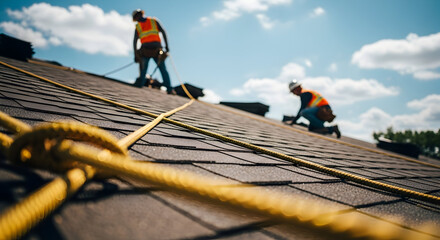
Regular roof inspections are the cornerstone of effective roof maintenance. Even if no visible damage is present, subtle issues such as small cracks, loose shingles, or rusted flashing can compromise the integrity of your roof over time. Inspections should be conducted at least twice a year, ideally in the spring and fall, and after extreme weather events. During an inspection, look for signs such as curling or missing shingles, water stains in the attic, moss or algae growth, and sagging areas. Professional roofers can also identify problems that may not be apparent to the untrained eye, providing a comprehensive evaluation and preventing future damage. Read on to Learn More.
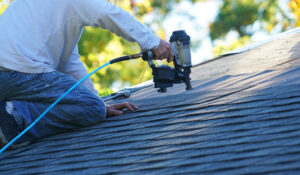
roofing

Gutter and drainage maintenance is another vital aspect of roof care. Clogged gutters prevent proper water flow, leading to pooling on the roof, leaks, and potential foundation damage. Debris such as leaves, twigs, and dirt can accumulate quickly, especially in homes surrounded by trees. Regular cleaning, combined with checking downspouts for blockages, ensures that water is directed away from the roof and foundation. Additionally, adding gutter guards or screens can reduce the frequency of maintenance and protect the roof from water-related deterioration.

Roof cleaning and debris removal are essential preventive measures. Leaves, branches, and other debris not only block water flow but can also trap moisture, leading to mold, rot, and structural weakening. Moss and algae are particularly problematic for shingle roofs, as they retain moisture and accelerate deterioration. Roof cleaning should be performed carefully to avoid damaging shingles or tiles. Soft washing techniques, along with the application of eco-friendly cleaning solutions, are recommended to maintain the roof’s integrity while removing harmful buildup.

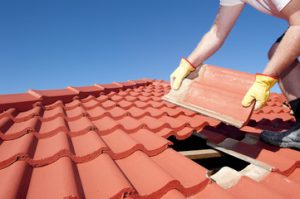
Repairs and timely replacement of damaged components are key to extending a roof’s lifespan. Missing or broken shingles, cracked tiles, rusted metal panels, or damaged flashing can quickly escalate into more severe problems if left unattended. Professional roofing services provide targeted repair solutions, ensuring that damaged areas are properly sealed, reinforced, or replaced. Addressing these issues early prevents water infiltration, mold growth, and structural compromise, ultimately saving money and extending the overall life of the roof.

Two preventive maintenance strategies every homeowner should prioritize include:

  1. Seasonal Roof Checks: Conduct visual inspections and minor maintenance tasks each season to detect early signs of wear, weather damage, or debris accumulation.
  2. Professional Assessments: Schedule periodic evaluations by certified roofing contractors to address issues that may not be obvious to homeowners and to ensure compliance with safety and building standards.

Proper ventilation and insulation are often overlooked aspects of roof health. Adequate ventilation prevents heat and moisture buildup in the attic, which can warp shingles, cause condensation, and reduce energy efficiency. Insulation works hand-in-hand with ventilation, helping to maintain consistent indoor temperatures and reducing strain on heating and cooling systems. Roof maintenance should include inspection of attic vents, insulation levels, and signs of moisture accumulation to ensure long-term roof performance.

Roof coatings and sealants provide an additional layer of protection. Applying reflective or waterproof coatings can extend the lifespan of roofing materials, improve energy efficiency, and reduce exposure to ultraviolet rays. Sealants protect joints, seams, and vulnerable areas from water penetration. While these measures are not substitutes for proper installation or repairs, they serve as an effective enhancement to routine maintenance, particularly in climates with heavy rainfall or intense sunlight.

Emergency roofing services are also a critical component of comprehensive roof care. Severe storms, fallen trees, or sudden leaks can pose immediate risks to a home’s structural integrity and interior. Rapid response services, such as temporary tarping, leak mitigation, and structural stabilization, prevent further damage and provide homeowners with the time and resources to plan permanent repairs or replacements. Prompt action during emergencies is essential to minimize costs and maintain a safe living environment.

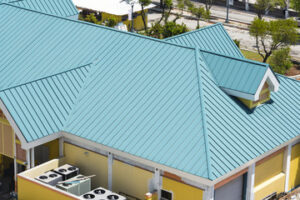
In addition to physical maintenance, choosing durable roofing materials contributes significantly to longevity and performance. Options such as asphalt shingles, metal roofing, clay or concrete tiles, and synthetic alternatives offer varying levels of durability, weather resistance, and energy efficiency. A well-selected material, combined with professional installation, reduces the likelihood of premature wear, enhances aesthetic appeal, and ensures compliance with local building codes.

Key benefits of consistent roof maintenance include:

  1. Extended Lifespan: Routine inspections, cleaning, and minor repairs prevent damage from escalating, increasing the longevity of the roof.
  2. Cost Savings: Addressing minor issues early avoids expensive emergency repairs and full roof replacements.
  3. Enhanced Energy Efficiency: Proper insulation, ventilation, and reflective coatings reduce energy costs by maintaining consistent indoor temperatures.
  4. Improved Safety: Regular checks and repairs minimize risks of leaks, structural damage, or falling debris.
  5. Preserved Property Value: A well-maintained roof contributes to the overall appeal, durability, and market value of the home.

It is important to recognize that roof maintenance is a combination of homeowner responsibility and professional expertise. While homeowners can perform visual inspections, clean debris, and ensure proper drainage, professional roofing services provide the skill, tools, and knowledge necessary for comprehensive evaluations, repairs, and preventive solutions. Partnering with experienced contractors ensures that maintenance is conducted safely, efficiently, and in accordance with industry standards.

In conclusion, roofing services are more than just repairs and replacements—they encompass inspection, maintenance, cleaning, emergency support, and guidance on materials and installation. By prioritizing regular roof care, addressing damage promptly, and investing in professional assessments, homeowners can protect their properties, reduce energy costs, and extend the life of their roof. Preventive measures and proactive maintenance are the most effective strategies for ensuring that a roof continues to provide shelter, durability, and value for years to come. A strong roof is not only a protective barrier but a long-term investment in safety, efficiency, and peace of mind.
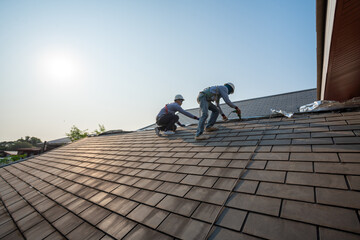
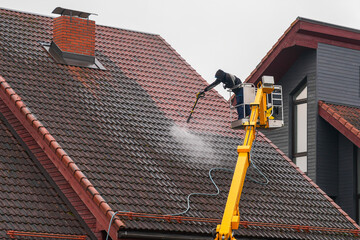
What You Need For Roof Replacement

Roofing Company Missouri

A new roof, backed by a strong warranty, can add value to your home. It may also prevent future roof repair costs.

Roofing Company Missouri measures the square footage of your roof to estimate how many materials you’ll need. This includes all living areas, garages, overhangs and covered entryways. The type of roofing material also impacts the cost.

Cost

Roof replacement is one of the most costly home improvement projects. However, it’s also a vital investment to protect your house and your belongings from damage and other costly issues like water leaks. It’s important to understand the costs of a new roof so you can make informed choices about your project. Learn about the actual cost of replacing a roof in your area, per square foot pricing and how different roofing materials impact the cost. Additionally, it’s helpful to know if your homeowner’s insurance covers the cost of a new roof.

The most obvious factor in the cost of a roof is the type and quality of the roofing material used. Basic asphalt shingles tend to be the most affordable option, while premium materials like slate or metal cost much more. The size of your roof and its pitch (steepness) can also affect the price. A steeper roof requires more material and labor, driving up the cost.

Local labor rates and regional factors also influence the overall cost of a roof replacement. Labor rates are typically higher in urban areas, and roofing materials are more expensive in areas that experience extreme weather conditions. Additionally, your municipality may require additional permits and inspections, which can add to the cost.

Other costs include a new underlayment, which protects the roof from moisture, and flashing, which secures the shingles. Debris removal and disposal can also add to the cost of a roof replacement.

If your roof is damaged and in need of repair, re-roofing may be a more cost-effective alternative to a full replacement. This repair is less invasive and takes less time, making it more budget-friendly than replacing the entire roof. However, if the damage is extensive or your roof is nearing the end of its lifespan, a replacement will be more economical.

The best way to determine the cost of a new roof is to consult with several local roofing contractors. Request quotes for the work you need and compare the prices to ensure you get the most value for your money. Ask each contractor for a breakdown of the work and costs to help you understand what’s included in your quote. It’s also important to consider whether a warranty or guarantee is offered, which can provide peace of mind and reduce the risk of future problems.

Materials

The roof is one of the most critical parts of your home for a variety of reasons. It protects you from weather and the elements, keeps your house warm, and boosts your home’s value. But a new roof is a big project, and it requires a lot of materials to get the job done right. Here’s a quick rundown of what you need for your roofing project.

Start with the sheathing, which is a wood foundation layer that contractors attach shingles and other roof coverings to. Sheathing is typically made from plywood or OSB, and it is crucial for the structural integrity of your roof. If sheathing is damaged or rotten, it should be replaced before any work starts on the actual roofing material.

Next, you’ll need the shingles themselves. There are many different options to choose from, including a basic asphalt shingle or a more high-end architectural shingle. You can also find impact-resistant shingles that help reduce damage from hail and debris.

Shingles can come in a wide range of colors, and you can even find options that mimic the look of other materials like slate or clay. Consider how well the shingle color will complement your home’s style, and be sure to check whether the shingles are compatible with your climate.

If your roof is on the older side, you might want to consider membrane roofing instead of shingles. Membrane roofing is a popular choice for flat and low-pitched roofs, and it offers excellent protection against water and UV rays. It’s a good option for those who want to upgrade their roof but aren’t interested in a major renovation project.

In addition to shingles, you’ll need the proper flashing for valleys and dormers. A properly installed flashing can help prevent leaks and protect the structure of your roof. It can also help keep your home’s energy costs down by reducing the amount of heat that escapes through your roof.

Another important part of your roof is the fascia board, which is placed at the end of the rafters or trusses. It protects them from moisture and is the attachment point for your gutters.

Installation

If your roof has extensive damage or is nearing the end of its lifespan, it may be time for a replacement. A new roof will improve your home’s protection, energy efficiency, and curb appeal. By doing your research, choosing the right roofing materials, and hiring a reputable contractor, you can ensure a smooth installation and a long-lasting roof.

The first step in the process is preparing the property. Your roofer will set up tarps to protect foundation plantings, cover the pool (if applicable), and lean wooden boards against walls to keep debris from falling off the house. They will also put down tarps to protect driveways and walkways. The crew will also remove existing shingles, remove the old valley flashing and drip edge, and clean up the debris. They will then put down the new sheathing and shingle base, and add ice barriers around the vents, chimneys, skylights, and other penetrations. The gutters will be cleaned and inspected for damage. After everything is complete, the roofer will double-check to make sure the job was done correctly. They will look for leaks in areas that are known to leak (around eaves, chimneys, and skylights) and check the shingles for cracks or fading. The roofer will also go over the manufacturer’s and workmanship warranties with you to ensure you understand what is covered.

A leaking roof can cause damage to the interior of your home, but it can also lead to mold and rot. These issues can be costly to repair, and they can affect your home’s value. If you’re considering a roof replacement, you should consider getting a new warranty to protect your investment.

While re-roofing is generally less expensive than a full roof replacement, it’s a good idea to replace your roof if it has extensive damage or multiple layers of shingles. Replacing your roof with a quality material that will last longer will save you money in the long run, and it will increase your home’s energy efficiency. In addition, it’s a good idea to check with your insurance company to make sure your roof meets their guidelines for coverage.

Insurance

It’s important for homeowners to understand how their insurance covers roof damage and replacement costs. According to Bill Ragan Roofing, different home policies have different settlement options for roof loss claims. These options include actual cash value, which pays what your roof is worth at the time of the claim, or replacement cost value, which pays to replace your roof with a brand-new one. Some policies may also allow you to supplement the replacement cost with upgrades. If you choose to do this, it’s important to keep track of the upgrade cost and make sure that your final replacement cost is close to what your insurance company paid.

Homeowners should also consider the age of their roof. While most homeowner’s insurance policies cover damage caused by sudden events, damage from wear and tear or lack of maintenance may not be covered (Bill Ragan Roofing). Additionally, many insurers limit or exclude coverage for roofs over 20 years old, which can leave homeowners with significant out-of-pocket expenses.

Insurance coverage varies significantly, depending on the policy type and deductible. A standard homeowners policy generally has a higher deductible than other types of insurance, making it important to understand the coverage before filing a claim. Some policies may even require an appraisal or inspection to assess the roof’s condition and value.

During the roof replacement process, homeowners should carefully document any storm damage with clear photographs and relevant information. This will help homeowners negotiate with their insurance company about the level of damage and potential coverage.

The most common insurance coverage for roof replacement is called “Replacement Cost.” It’s a type of homeowners insurance that covers the full cost to replace your existing roof with a new one, which is often less than what your current home was worth at the time of purchase. The best option for homeowners is to purchase a replacement cost policy, which offers the most peace of mind and financial protection in the event of severe weather damage. However, homeowners should understand that replacement cost insurance can be more expensive than actual cash value insurance, which takes into account depreciation over time.

Visit our Professional Services Blogs

Chris Atkins Lawncare, Atticus Landscaping, Treasure Coast Pressure Wash, Gulf Beach Plumbing, Marlborough Plumbing, Guns And Hoses Pressure Washing, Ambrose Construction, Coral Gables Pressure Washing, Willco Photography, Roofing Akron, Danalogsdon Roofing El Cajon, EC Siding Roofing Windows, Aurora Gutter, American Insurance Source, ECO, etdn, Denison Service League,  Roofing Blog, Atlantic Vinyl Windows, Brookshires Fireplaces, JD Advanced Remodeling, Product Judgment, Master Dry Foundation Repair, Moe’s Hip, Elta Patio Paramount, Rock Around The Clock Festival, Learn, Play, Beyond, MoralesT Gardening, Car Window Tinting Perth, Duncan Carpentry, Gatestone Lighting, Mid Missouri Mold Inspections, Stucco Repair Albuquerque, Wausau Siding Hire, Munster Tree Care, Blue Granite Homes, Custom House, CENTRAL OS, Atlanta Pavers, Phillips Law Firm, Brent Ryder MasonryWalker Construction Drywall Division, RJ Law, Caledon Plumbing, DDS Tech USA, Maine Mortgage Services, Inckpen, Seasons at Rose Creek, Cottonwood Place Dental, Cosmetic Laser 2000 

How Roof Cleaning Prevents Damage and Costly Repairs

Roof Cleaning

Roof Cleaning removes debris buildup that can damage shingles and prevent water intrusion into the home. It also helps identify problems like moss or algae growth and clogged gutters before they cause major issues.

A clean roof extends the life of roofing materials and protects against costly repairs or replacements. This is especially important in humid regions or near coasts where salt buildup can occur.

Debris Removal

The first step in effective roof cleaning involves removing all debris from the surface of the roof. This includes twigs, branches, dirt and leaves that have collected along the edge of the roof. It also means sweeping away loose dirt and algae, mold spores, moss and other organic growth. A roof broom and hand tools work well for removing the majority of this debris. For more stubborn stains, you can use a mild detergent mixed with water and a brush or scrubbing tool. After the roof is clean, you need to rinse off all detergent residues to prevent damage from harsh chemicals.

Moisture-loving organisms like moss, algae and lichen thrive in shaded, damp areas on the roof and can wreak havoc when left untreated. They erode roofing materials, causing them to degrade and allowing water to seep into the home.

Similarly, black streaks on the roof are caused by algae that eat away at shingles, weakening their UV protection and reducing their lifespan. Regular roof cleaning removes this organic growth, extending the lifespan of the shingles and preventing further damage.

Leaks and other roof problems are often the result of blocked gutters or valleys. During a roof inspection, a professional can check the condition of these drainage systems and ensure they are free of blockages. This can save you money on costly repairs later on.

A clean, healthy roof protects your home and improves its value. It also enhances curb appeal and boosts energy efficiency by reflecting sunlight and maintaining proper ventilation. It’s important to make roof cleaning a routine part of your home maintenance, especially in Middle Tennessee, where the humid climate encourages the growth of fungi and other biomasses.

A clean, functional roof is a strong selling point for any property, whether commercial or residential. It reflects the care taken in maintaining your home or business, and it shows clients, customers or tenants that you take pride in your property. A professional roof cleaning service can help you keep your property in top condition for years to come. They can also help you develop a maintenance schedule that extends the lifespan of your roof and minimizes the need for repairs or replacements.

Prevents Leaks

Whether you’re planning to sell your home or simply want to keep it in good condition, you should incorporate regular roof cleaning into your maintenance routine. This overlooked task can help you avoid costly repairs and extend the lifespan of your roof.

Dirt, algae, and moss growth not only affect your roof’s aesthetics; they can also wear it down. They trap moisture against the surface, speeding up deterioration and increasing the risk of leaks. Regular cleaning prevents these organisms from building up and helps your roofing materials last longer.

Visible dirt or stains on your roof suggest that it’s time to clean. Look for moss or algae growth, clogged gutters, and discolored shingles. Moss and algae also release spores that can cause health problems if inhaled. Having these organisms on your roof can also impact the insulation and energy efficiency of your home. Regular cleaning removes these harmful spores and promotes healthy air quality inside your home.

Leaks caused by a dirty roof can be expensive and damaging. They can lead to structural damage, water damage, and mold growth in the interior of your home. In addition, leaking roofs can be difficult and dangerous to repair. Regular roof cleaning prevents buildup that can contribute to leaks, saving you money and reducing the stress of unexpected roofing issues.

A clean roof looks better and increases your home’s value, so it’s a great investment. It can also boost your property’s curb appeal and improve your chances of selling it when the time comes. In addition, a clean roof can help you qualify for a new mortgage or home equity line of credit, since it shows that your house is well-maintained and cared for.

A professional roof cleaner can perform this task safely and efficiently. They have the knowledge and equipment to safely access and clean all types of roofing materials without causing damage or wearing them down prematurely. They know how to use the right level of pressure for each type of roof and which cleaning solutions are safe for different types of roofing materials.

Prevents Mold Growth

Many homeowners neglect roof cleaning because they assume rain will naturally wash away dirt, mold, algae growth, and debris. The truth is that a dirty roof can collect moisture, which can cause shingles to deteriorate or water to seep into the home. Regular roof cleaning can prevent these problems and extend the life of the roofing materials.

Mold growth is more than a cosmetic problem, especially in regions with high humidity or shaded roofs. Mold feeds on organic material, including shingles, paper-backed shingles, and insulation, weakening them over time. If left unaddressed, mold damage can lead to rot and premature roof failure. In addition, mold spores can enter the living space and cause respiratory irritation, asthma attacks, and in vulnerable individuals, serious health issues.

Moss and algae buildup can also prevent roof shingles from drying properly, allowing moisture to linger on the surface. This moisture accelerates shingle wear and can eventually erode the underside of the shingles, exposing the interior to water infiltration. Regular roof cleaning can eliminate these problems and keep your home safe and healthy.

To remove mold stains and other grime from roofs, professionals use soft washing methods to avoid damaging the roofing materials. Before beginning, they clear off the work area by removing any loose debris and securing ladders. They then apply a bleach solution to the affected areas and allow it to sit for a few minutes to kill mold and algae. After the solution has sat, they rinse it off with low-pressure water. During the rinsing process, the professionals carefully protect plants and landscaping by covering them with tarps. This ensures that the plants are not exposed to bleach or other chemicals that can damage them. Using a commercial cleaner is often more effective than a homemade mixture of bleach and water because it is specifically formulated to be safer for shingles. In addition, the professional may have access to a higher concentration of bleach than is typically available at retail stores. This is particularly important for older or less-durable shingles.

Prevents Damage

The moisture-loving organisms moss and lichen can damage roofing materials, especially asphalt shingles. Moss clumps can lift and loosen shingles, causing structural damage and allowing water to seep under them, leading to leaks. Lichen eats away at the protective granules on shingle surfaces, accelerating their breakdown. When these organisms grow, they create dark streaks on the roof and infiltrate the attic space, creating health risks like respiratory issues, aggravated allergies, and more. Regular roof cleaning prevents the buildup of these organisms and keeps a home healthy.

In addition to deteriorating roofing materials, a dirty roof also affects energy efficiency. Dirty shingles absorb more heat, raising attic temperatures and forcing the HVAC system to work harder to compensate. A clean roof reflects sunlight and keeps the attic cooler, saving money on utility bills.

Regular cleaning can identify problems with shingles, flashing, and sealants before they become major issues. For example, a cracked shingle or a loose flashing might seem minor but if left unchecked they can lead to leaks and expensive replacement. Regular inspections by a professional help catch these issues before they escalate and save homeowners costly repairs.

While it is possible to clean a roof, the process can be dangerous for untrained individuals. Climbing on a slippery surface, using power tools at high altitudes, or applying harsh chemicals can cause injuries. Professional roof cleaners use safe and effective methods that protect the environment, roofing materials, and occupant safety.

A clean roof adds curb appeal, increasing your home’s value and boosting resale potential. It’s also a great way to improve your family’s indoor air quality by removing harmful contaminants like mold, mildew, and fungus. A professional roofer can also recommend other ways to prevent the growth of these organisms, such as by maintaining proper gutter flow and adding a leaf guard. They can also inspect your roof for cracks, leaks, and other damage and offer recommendations on a regular maintenance schedule to keep your roof in top condition year-round.

Visit our Professional Services Blogs

Smart Choice Plumbing And Air, Sanitize My Airducts, Bethesda Locksmith, Golden Coast Cleaners, Advanced Concrete Staining, Home Pool Cleaners, Brayhines Septic, Shaka Pool And Spa Cleaning,Mr Clean And Shine, Best Appliance Repair Long Beach, Gulf to Bay Water Remediation, Garage Door San Francisco, Richmond Flooring, Fence Builders Woodlands, Colorado Springs Auto, Fuel Frontlines, Expert 24 Option, Sacramento Roseville Real Estate, SLO Homes, Philadelphia Towing, State Powerwashing, Truck Tires Worldwide, Website Translation, Construction Company Farmington NM, Green Home Los Angeles, Trinity SEO Marketing, Electric Fireplaces, Argos Bookkeeping, Christopherson Drywall,Garage Door Installation, Missouri Personal Injury Lawyer Blog, Alvins Auto Body, Carpet Care Pros, Las Vegas Concrete, Clark Concrete Company, Deck Builders Missour City, Lechleitner Builders, Medical Health Insurance Policy, Royal Siding Windows, Carpet Steam Cleaners Review, Go Greeen Lawn Painting, Oakwood Skate Deck, Texas Home Remodeling And Painting, USA Home Repair Remodeling, Dream Home Remodeling Services, Brent Lawn Homes, Great Ernm Homes, Accelerated Orthodontic, Arctic Cooling And Heating, Baltimore Heating And Airconditioning

How to Choose the Right Roofing Contractor

https://diamondconstructionwa.com/

Choosing the right roofing contractor is one of the most important decisions you’ll make for your home. You want a reputable company that will protect your investment and provide quality products and services.

Getting several estimates is a great way to compare options and pricing. However, you should carefully review each quote to understand the scope of the work being done. Visit https://diamondconstructionwa.com/ for more details.

Check Their License and Insurance

Your roof is one of the most important parts of your home, and it’s essential to choose a roofing contractor who can provide you with high-quality services and materials. Before making a decision, you should take the time to research products and techniques, get multiple estimates and check licensing and insurance.

A reputable roofing contractor will be more than happy to provide you with references from past clients. This is a great way to see what it was like working with them and whether they were happy with the quality of their work. You can also ask to drive by a previous job to see their work for yourself.

In addition to asking for references, you should also make sure that the roofing contractor has both liability and workers’ compensation insurance. This will protect you in case the roofing contractor causes damage to your property while working on your roof. It’s also important to ensure that the roofing contractor has general liability insurance, not just home improvement or construction contractors. General insurance covers damages to your property and can protect you from expensive lawsuits.

Once you have a list of potential roofing contractors, it’s important to get multiple estimates before choosing one. This will allow you to compare prices and services and determine which roofing contractor is the best fit for your needs. Make sure to ask each roofing contractor for a detailed breakdown of the estimate, including the cost of materials, labor and clean up.

Also, be sure to ask each roofing contractor if they will need a building permit for the work, as this is required in most areas. If a roofing contractor recommends skipping the permit to save money, this should be a red flag and you should move on to another roofing contractor.

You should also ask each roofing contractor if they have any special training or certification from the manufacturer of the shingles that they will be using on your roof. This is especially important if your roof is being replaced due to storm damage, as the manufacturer may have specific installation requirements.

Get Multiple Estimates

Most homeowners have heard the old adage, “Get three estimates before making a decision.” While this is sound advice, it’s important to remember that pricing should only be one of the many things you compare when looking at multiple roof estimates. It’s also important to look at the details on each estimate, to make sure they are all broken down in a way that allows you to fully understand the scope of work and price.

Each roofing contractor should provide a detailed quote after their inspection, including the materials and labor that will be used to install your new roof. It’s important to look for the exact same items on each estimate, so you can be confident that you are comparing apples to apples. This will help you find the best value for your money and ensure you’re getting quality workmanship.

It’s also important to review each estimate for other red flags. For example, if an estimate seems drastically lower than the others you’ve received, this could be a sign of hidden fees or other issues. It’s also important to check if the roofing company is licensed in your area, and to look at their reviews online.

Another thing to pay attention to is whether the roofing contractor will take extra precautions during the repair or replacement process to protect your home. This can include covering the attic, pool, deck/patio, and other areas of your house with plastic and tarps. If they don’t, this is a major red flag and should be a reason to keep searching for a different roofer.

Additionally, it’s important to look at each estimate to see if the roofing contractor offers any type of warranty. This can be a great indicator of the quality of work they will provide, and it’s always nice to know that you have some protection in case something goes wrong with your roof in the future.

Ask for References

Replacing or repairing your roof is no small investment, and you want to make sure you’re working with someone who can be trusted. While online reviews can be helpful, you also want to talk to actual roofing contractors’ past clients to get a sense of what it’s like to work with them. Ask for references, and follow up with them by calling or stopping by their homes.

One of the most important questions to ask a roofer’s references is how happy they were with the project. This will give you a good idea of the contractor’s workmanship and ability to meet expectations. You can also ask them what their experience was like from the initial inspection to the sales process to the actual project.

Another thing you’ll want to find out is whether or not the contractor stuck to their original quote. While some price changes can be unavoidable, a good contractor will communicate these changes clearly and honestly with their clients. You should also find out if the price was changed due to unexpected materials or labor costs, and how they handled this situation.

In addition, you should ask if the contractor took care to protect their property during the roofing project. This includes covering landscaping, driveways, porches, pools, and anything else that could be harmed during the process. They should also have a plan for cleaning up the area after the roofing is complete. This will ensure that you don’t end up with nails, debris, or trash in your yard or on the street.

In addition to asking for references, you should also check if the roofing contractor has an office. If they don’t, this is a red flag and it may indicate that they are not a reputable roofing company. You should also ask for their insurance and licensing information, as well as a detailed estimate. A reputable roofing company will be transparent about their payment terms and will not require full payment upfront. They should also offer warranties and guarantees on their roofing services. By following these tips, you can be sure to find a roofing contractor that will do a quality job and provide long-term protection for your home.

Get a Written Contract

One of the best ways to protect yourself as a homeowner is to get everything in writing. A roofing contract will clarify all aspects of the project, including the scope, costs, and timeline. This will help to avoid any misunderstandings or disagreements later on. Moreover, it will also provide legal protection should something go wrong during the project.

A good roofing contractor will make sure to include a warranty for their work. Typically, this will include a manufacturer’s warranty as well as a workmanship warranty from the roofing contractor. These warranties will cover any issues that may arise during or after the roofing project.

It is also important to find out about the roofer’s liability insurance. This will ensure that you are protected in the event of property damage or personal injuries during the roofing project. You should also ask the contractor about any cleanup and waste removal services. If they cannot or will not provide this, you should find another roofing company.

In addition to a roofing contract, you should also find out about the company’s reputation and history. Check online reviews and Better Business Bureau ratings to see what others have said about them. This can give you an idea about the quality of their work and customer service.

Finally, you should also consider using a roofing contractor software or app to simplify the quoting process and speed up turnaround time. Some of these apps offer a free trial or 3-document freebie, while others are paid and require subscriptions. These apps also allow you to customize templates, add custom fields and enable e-signing. They can save you time, money and provide you with more data to help improve your estimating skills. For example, a roofing software app called improveit360 allows you to take aerial measurements, prepare quotes and track analytics on the go from any mobile device.

How Long Does a Roof Replacement Last?

Roof Replacement involves a significant investment, but it protects homeowners from expensive future damage. A good roofing contractor will make the process smooth from start to finish.

Roof Replacement

The first step is securing permits. The roofing contractor also prepares the work area by covering plants, securing tarps to catch debris and moving outdoor furniture.

The average roof replacement costs about $11,500, though the exact amount you’ll need depends on the material and design of your home. The type of roofing materials is a major factor, as different types offer varied lifespans and durability. Depending on your needs, you may opt for traditional asphalt shingles, metal roofing that’s both energy-efficient and durable, or natural wood shakes or tiles. Other components that affect the cost include the square footage of your roof, and building supplies like underlayment and flashing.

The architectural style of your roof also plays a role. A simple gable or gambrel roof requires less materials and labor than a mansard or a valley-style roof. Other roof features like dormers and skylights will increase the scope of your project, increasing the overall cost.

You should also consider your local weather conditions. Homes in areas prone to hail or severe storms may require more frequent repairs, which can add up over time. A roof replacement can help protect your home from future damage and improve its ability to withstand extreme weather.

When it comes to deciding between repair and replacement, you’ll need to weigh short-term savings against long-term benefits. Repairs are cheaper upfront but only address specific issues, while replacement offers a comprehensive solution and can increase your property value. Contact a professional roofer to assess your home and determine which option is best for you.

The cost of a roof replacement includes the price of removing and disposing of the old roofing materials, as well as the labor to install the new one. It’s estimated that up to 60% of the total replacement cost goes towards these expenses. Other expenses include the cost of underlayment, nails, tools, ladders, and other materials needed for the project. The size of your roof and its slope play a role in the overall cost, as larger or steeper roofs are more difficult to work on. The location of your home and the availability of skilled labor also influence these costs. However, you can offset some of these expenses by scheduling the project during off-peak seasons and by choosing more affordable materials.

Lifespan

The lifespan of a Roof Replacement can vary widely, depending on materials, climate, and maintenance. Understanding how roofs last can help homeowners plan ahead for repairs and replacements, maximizing the lifespan of their homes’ most valuable investment.

Asphalt shingles have an average lifespan of 15 to 30 years, while more premium options like metal roofing and clay tiles can last 50 or even 100 years. Other factors affecting the lifespan of a roof include the direction it faces and its exposure to UV light. These factors can cause premature aging, which can lead to damage and leaks. Fortunately, some of these issues can be addressed with timely repairs and inspections.

While repairing minor damage is usually a practical option, severe weather or other circumstances may require an entire roof replacement. For instance, sagging sections of a roof can indicate significant water damage that could undermine the structure of the house and cause mold and mildew. A new roof can prevent future problems and save homeowners money in the long run.

If you are unsure whether it is time to replace your roof, it’s recommended to have an annual inspection. A certified professional will be able to spot problems that you might miss and can recommend the best solution. Additionally, regular maintenance and inspections can increase your roof’s lifespan and protect it from unnecessary damage.

Roofs are hard-working, protecting your home day in and day out. Over time, however, they can suffer from wear and tear that requires repair or replacement. The estimated amount of time to install a new roof depends on the type of roof you have, its size, and your home’s architectural features. For example, a roof with multiple valleys and dormers will take longer to install than a flat roof.

A roof’s lifespan can be influenced by a wide variety of factors, including the type of material and installation quality, climate conditions, and maintenance routines. Understanding these factors can empower Staten Island, Brooklyn and New Jersey residents to make informed decisions about their roofing needs, ensuring that their homes remain safe, energy-efficient, and visually appealing for many years to come.

Energy Efficiency

A roof is more than just a shelter from the elements. It’s also an insulator, energy efficiency booster, and an important asset for home value. However, like any other part of a house, it’s vulnerable to damage and wear over time. Timely repairs prevent energy loss, protect against water damage, and reduce energy bills. But if your roof is nearing the end of its lifespan, it’s worth considering a replacement.

A new roof offers several advantages compared to repairs, including:

Energy efficiency

Your home’s insulation and HVAC system are responsible for regulating temperature throughout the year. Unfortunately, even minor damage can cause gaps that allow heat to escape during the winter and infiltrate during summer, putting a strain on your heating and cooling systems. This is why it’s important to get your roof repaired or replaced before the problem worsens.

New roofing materials offer better insulation and can cut your energy costs by up to 15%. Plus, many of these materials are ENERGY STAR® certified and eligible for tax credits. The IRS has extended the deadline for claiming these credits, so there’s still plenty of time to make your home more energy efficient.

Another benefit of a new roof is protection against water damage. Leaks from a damaged roof can lead to mold, mildew, and structural damage. Replacing your roof before it’s damaged is a great way to protect your investment and keep your family safe.

A final reason to invest in a new roof is to boost your home’s resale value. A modern, energy-efficient roof is more appealing to potential buyers and can increase your resale value by up to 15%.

A new roof is a long-term investment, but it’s well worth the expense. It can reduce your energy costs, improve home comfort, and add to resale value. In addition, it can improve curb appeal and minimize the need for repairs. To learn more, contact a roofing professional for an assessment. They can advise you on the best roofing material for your budget and lifestyle. Choosing the right material will ensure your roof lasts for years to come.

Appraisal

When a roof is old, damaged or in need of replacement, it can impact both the appraisal and salability of a home. Potential buyers may be wary of a house with an old, leaky or inefficient roof because they know that major repair costs are likely to be required soon after purchase. Ultimately, this can result in a longer selling time and lower offer prices. A new, energy-efficient roof can increase a home’s marketability and allow for faster sales.

A Roof’s Condition Matters

Appraisers are looking at a lot more than just the structure of your roof when they conduct an inspection. They are also assessing its safety and structural integrity, as well as its energy efficiency. Any issues that are identified during an appraisal, such as major leaks, sagging or severe shingle loss, can detract from the overall value of your property. They might even prompt lenders to request repairs or refuse to approve loans for homes with these problems.

In addition, your roof’s aesthetics play a significant role in its perceived value. A clean, neatly maintained roof is considered a positive feature that suggests a well-cared for and maintained home. This can make the difference between getting top dollar for your property and selling it quickly, or dragging out the process and accepting lower offers.

Fortunately, you can take steps to avoid issues during an appraisal by having your roof inspected and repaired before selling. This will give you peace of mind and help ensure that any flagged problems are taken care of before an appraisal, potentially saving you money in the long run.

It is also important to be upfront and transparent with potential buyers about any issues that might arise during an appraisal. This will build trust and expedite the sale, so both parties can reach a successful agreement. Having an honest dialogue about any needed repairs can prevent potential deal-breakers and ensure that everyone is working toward the same goal: a successful sale of your home. If necessary, you can always agree to pay for certain repairs as part of the sale or agree to adjust the asking price of your home accordingly.

The Quiet Revolution of Metal Roof Installation

Strength begins at the top. Metal Roof Installation Helena MT has quietly transformed from an industrial solution to a symbol of modern home resilience. The growing preference for metal materials reflects a deeper awareness of durability, sustainability, and design flexibility. This shift is not just a trend—it’s an evolution of how people think about protection and longevity.

roofing

Homeowners today seek roofs that do more than cover; they want systems that endure. Metal roofing meets that expectation with a blend of practicality and aesthetics that few materials can match. Its ability to withstand harsh climates while maintaining visual appeal makes it a long-term investment rather than a temporary fixture. The rise of this roofing choice represents both progress and practicality.

Every metal roof installation begins with precision planning. The preparation phase determines the overall success of the project, ensuring alignment, measurement accuracy, and compatibility with the structure below. A well-executed installation doesn’t just protect—it elevates the home’s overall value. Each layer, screw, and panel placement contributes to decades of reliable performance.

Unlike traditional materials that deteriorate quickly, metal roofing resists time and temperature. It reflects sunlight, minimizing heat absorption and reducing cooling costs during warmer months. Its strength also provides stability against wind, rain, and debris, offering peace of mind even during unpredictable weather. This resilience transforms a simple structure into a lasting shield.

The artistry of installation lies in detail. Professionals approach each step with both technical skill and creative precision. Panels must align seamlessly, fasteners must hold firmly, and edges must resist moisture intrusion. The smallest misstep can lead to inefficiencies, which is why expertise remains at the heart of flawless execution.

Beyond protection, metal roofing introduces an aesthetic dimension. Homeowners now embrace bold finishes, unique textures, and clean lines that complement both classic and modern architecture. The reflective surface interacts beautifully with light, creating a dynamic visual effect that changes throughout the day. This harmony of function and form turns practicality into design excellence.

Sustainability drives much of the demand for metal roof installation. Many materials are recyclable, reducing waste while promoting environmental responsibility. Energy efficiency adds another layer of benefit, allowing households to consume less power. The balance between strength and sustainability sets metal roofing apart in an age of conscious construction.

Maintenance is remarkably simple compared to other roofing systems. Occasional cleaning and inspection ensure continued performance, with minimal intervention required. The absence of rot, cracks, or insect damage further extends its lifespan. Homeowners appreciate the freedom from constant upkeep while enjoying lasting protection.

Installation technology has advanced significantly in recent years. Tools and techniques have evolved to maximize efficiency while minimizing disruption. Fastening systems now provide tighter seals, reducing the likelihood of leaks or structural compromise. Precision cutting ensures that each component fits perfectly, maintaining structural integrity and visual cohesion.

One of the most appealing aspects of metal roofing is its adaptability. It can be installed over existing materials in some cases, reducing waste and installation time. This approach simplifies renovation while maintaining high performance standards. The ability to blend innovation with convenience gives metal roofs a distinct advantage.

Thermal efficiency is another silent strength of metal roofing. Reflective coatings reduce heat absorption, keeping interiors comfortable without overreliance on cooling systems. This small detail contributes significantly to long-term energy savings. Over time, the roof pays back its cost through reduced utility expenses and sustained comfort.

Noise reduction technologies have also advanced, addressing a common misconception about metal roofs. Proper insulation layers now absorb sound effectively, keeping indoor spaces quiet even during heavy rain. This combination of engineering and material science has redefined what metal roofing feels like to live under. Functionality now meets serenity in every drop that falls.

Safety is another defining advantage. Metal roofing is naturally fire-resistant, offering protection that traditional materials can’t guarantee. Its non-combustible nature reduces risk and enhances overall security for homeowners. In areas prone to lightning or high heat, this characteristic adds an extra layer of assurance.

Longevity remains its greatest value. While other materials may demand replacement within decades, metal roofing can last half a century or more with proper care. This endurance reduces the environmental impact of frequent replacements while providing generational protection. A roof that lasts this long becomes a legacy rather than a simple fixture.

Installation precision ensures that the structure performs as intended for years to come. The process begins with careful measurement, ensuring proper alignment and slope for water runoff. Underlayment materials enhance moisture control, while fastening methods secure panels tightly against movement. The final result is a system engineered for endurance and reliability.

Modern designs allow homeowners to personalize their roofing style. From matte finishes to textured panels, customization brings individuality to each installation. Colors can harmonize with landscapes or contrast boldly for contemporary appeal. The roof becomes a statement piece that reflects both personality and architectural vision.

Cost efficiency may not appear immediate, but long-term benefits outweigh initial expenses. Energy savings, minimal maintenance, and extended lifespan create a cumulative return. Over time, the investment becomes more economical than traditional roofing. Homeowners recognize this balance as the essence of smart construction planning.

Metal roofing’s role in climate resilience cannot be overstated. As weather patterns grow more unpredictable, materials that endure extremes become essential. Metal surfaces deflect heat, resist storms, and withstand corrosion from constant exposure. This resilience ensures consistent performance even in the face of environmental challenges.

Advancements in coating technology continue to redefine durability. Protective finishes prevent rust, fading, and water damage, maintaining the roof’s appearance for decades. These innovations reduce maintenance costs while ensuring that aesthetic integrity remains intact. Every layer of protection adds both beauty and strength to the structure.

The installation process itself has become more environmentally friendly. Reduced waste, recyclable materials, and efficient logistics minimize carbon footprints. Skilled teams follow sustainable practices that align with global goals of reducing resource consumption. The industry’s evolution reflects a conscious shift toward responsible construction.

Customization extends beyond appearance to include performance features. Certain coatings can enhance reflectivity, while others focus on corrosion resistance or insulation. Each home can have a roof uniquely tailored to its climate and energy needs. This flexibility empowers homeowners to design with purpose and precision.

The silent benefit of metal roofs lies in their value retention. Properties with these systems often experience higher appraisal values due to durability and efficiency. Potential buyers view them as upgrades rather than standard components. This perception makes them both a practical and financial investment.

Innovation continues to drive the industry forward. Smart roofing systems integrating solar technology and temperature sensors are emerging. These advancements turn roofs into active energy systems, reducing dependence on traditional power sources. The fusion of technology and structure marks a new chapter in sustainable living.

Proper installation remains critical, regardless of technological progress. Even the most advanced materials fail without skilled craftsmanship. Precision handling ensures longevity, weatherproofing, and aesthetic perfection. The collaboration between material and method determines the ultimate success of the project.

Homeowners often appreciate the silent confidence a metal roof provides. It symbolizes preparedness, strength, and thoughtful design. Beyond appearance, it embodies the principle of building once and building right. That reliability extends far beyond architecture—it becomes part of the home’s identity.

Repair and replacement are rare but manageable when needed. Modular systems allow for individual panel adjustments without dismantling the entire structure. This feature simplifies maintenance while preserving the roof’s integrity. Longevity and flexibility work hand in hand to ensure continued performance.

The environmental benefits stretch beyond energy efficiency. Recyclability at the end of its lifespan reduces landfill waste dramatically. This circular sustainability ensures that even after decades of use, the material remains valuable. Few construction materials achieve this balance of endurance and renewability.

Aesthetics continue to evolve as design trends shift. Sleek lines, metallic hues, and modern contours redefine traditional roofing expectations. Each roof installation becomes an artistic collaboration between homeowner and installer. The result blends technical perfection with visual sophistication.

For many, the decision to choose metal roofing comes from a desire for permanence. It represents security in an uncertain world and durability against nature’s unpredictability. Its quiet strength tells a story of investment in quality and foresight. This mindset transforms construction from necessity into legacy.

Contractors who specialize in metal roof installation understand that precision is their brand. Every measurement, cut, and fastening decision reflects their craftsmanship. Their expertise ensures that every roof installed performs flawlessly under real-world conditions. In a sense, their work becomes a fusion of art and engineering.

The relationship between installer and homeowner defines the project’s success. Clear communication about expectations, timelines, and outcomes builds trust. Homeowners value transparency and skill in equal measure. When both align, the finished product becomes a testament to partnership and professionalism.

Metal roofing’s popularity continues to rise as awareness spreads. Its combination of modern aesthetics and unmatched resilience appeals to diverse tastes. From traditional homes to avant-garde designs, it adapts seamlessly. This versatility ensures its continued relevance across generations of architecture.

Ultimately, the story of metal roof installation is one of quiet transformation. It reflects humanity’s ongoing pursuit of strength, sustainability, and style. Each installation represents progress—a commitment to building smarter and lasting longer. Beneath its polished surface lies the essence of innovation, endurance, and thoughtful living.

Roofing Basics

Cedar Park Roofing is the physical structure that protects buildings from weather elements. Whether you’re a homeowner looking to repair your roof, or an architect with a design project that calls for a new structure, it’s important to understand roofing basics.

Roofing

Asphalt shingles are common in residential construction because they’re affordable, durable, and easy to install. They also offer a range of aesthetic options.

Insulation may not be the most exciting home improvement project, but it’s one of the best investments you can make in your home. It saves energy, improves comfort, and prolongs the life of your roof and home.

When it comes to deciding what kind of insulation you want to install in your home, it’s important to understand how insulation works and the different options available.

A good insulator is made up of non-metallic materials filled with tiny air pockets. The air pockets resist the flow of heat about 15,000 times better than a good metallic conductor of the same thickness. Some popular types of insulators include foamed plastics, cork, fiberglass, rock wool, and cellulose. Some insulators are also fireproof. Others are made from natural fibers, such as sheep’s wool, and are a more sustainable option.

Generally, the higher the R-value, the more effective the insulation is. However, R-value is not the only factor to consider when choosing your insulation, as heat can still move in and out through radiation and convection. You should also consider the type of insulation you are choosing, and whether it creates a complete air seal.

For example, fiberglass batt insulation is rolled and fitted between studs, joists, and beams during a remodel or new construction. It is relatively inexpensive and provides good thermal resistance. Cellulose and foamed plastics are more environmentally friendly alternatives, but they don’t have the R-value of fiberglass.

Another popular choice is spray foam insulation, which expands upon application to fill gaps and crevices. It is often more expensive than other forms of insulation, but it can be a great solution for hard-to-reach areas and offers excellent R-value.

There are two kinds of spray foam: open and closed cell. Open cell is a more durable option that holds its shape after installation, but it doesn’t offer the same expansion as closed cell.

Adding insulation to the ceiling of your home is usually the most cost-effective way to increase your R-value, since it covers such a large area. However, it’s important to work with a roof services company to ensure that the job is done correctly and that your home doesn’t leak.

Ventilation

The roof is an important part of any building, providing protection, insulation, and structural stability. It is also an integral part of a home’s ventilation system, allowing air to circulate properly and prevent mold, mildew, and other problems. In addition, proper roof ventilation protects the structure from heat damage and saves money on energy bills. The roof is a complex structure that includes the framework, decking, and outer layer of materials. To ensure a long-lasting roof, it is essential to choose the right materials, design, and maintenance strategies.

Proper ventilation prevents heat and moisture from accumulating in the attic, which can damage shingles, warp the decking, and rot the underlayment. Moisture and heat in the attic can also affect indoor air quality, causing respiratory issues for residents. Good ventilation can prevent these problems by directing cool, fresh air to the attic from the soffit vents and exhausting hot or stale air through the ridge or gable vents.

The ideal roof ventilation system is designed to provide a continuous flow of fresh, clean air through the attic and out of the house. This airflow uses intake vents (soffit, gable, or drip-edge) to bring in cold air and exhaust vents (ridge, box, turbine, or powered vents) to push warm air out. This process helps avoid attic overheating during summer, which can cause the shingles to curl and blister.

Ventilation is also important in commercial buildings to improve the indoor air quality and provide comfort for occupants. Air recirculation can help reduce indoor pollutants by removing dust and diluting metabolic pollutants, such as carbon dioxide and odours. However, it is best paired with source control measures to reduce pollution in the first place. For example, if a business is located near a freeway, it is best to limit the amount of secondhand smoke that enters the building to prevent health issues. In addition, reducing emissions from coal-burning factories can prevent pollutants from migrating indoors.

Durability

Durability is a crucial aspect of any roofing system. It helps prevent roof leaks and water accumulation, which can lead to structural damage and mold growth. Durability is also key in minimizing the need for repair and maintenance, as well as reducing energy costs. Durability is influenced by various factors, including climate conditions, design and installation, protective coatings, maintenance schedule, roof pitch, and ventilation systems.

Durable roofing solutions protect buildings from extreme weather challenges while enhancing energy efficiency and lowering long-term costs. Durable roofing materials include asphalt shingles, metal, tile, slate, and premium composite roofing products. Each material offers different pros and cons, but all offer a level of durability that will help withstand severe weather conditions and environmental elements.

In addition to a durable roof, a sturdy underlayment layer adds an extra barrier of protection between the decking and the shingle surface. While felt underlayments were once the standard for roofing, synthetic underlayments have gained popularity for their durability and moisture-repellent properties.

Choosing the right roofing material is a critical decision for any homeowner or commercial property owner. The best durable roofing options for California are those that offer superior resistance to the region’s unique environmental challenges, while also meeting the specific needs of the building and its occupants. Durable roofing solutions that are backed by professional installation and routine maintenance help reduce energy costs, extend the lifespan of the roof, and enhance the overall value of the structure.

Aesthetics

The roof is not just a structural component – it also has the power to dramatically affect the look and style of a building. For this reason, it’s important to choose a roofing style that matches the architectural ethos of the structure. Classic materials like slate and clay tiles can add elegance and historical authenticity, while more modern roofs can benefit from sleek flat roofing systems or innovative green roofs that emphasize sustainability and clean lines.

Philosophical Aesthetics is a broad area of study that deals with the nature and origin of aesthetic experiences, such as beauty, pleasure, and art. The field’s history includes works by writers such as Hutcheson, Hume, and Kant. More recently, philosophers have debated issues related to the proper role of aesthetic concepts. For example, some have argued that pure aesthetic concepts are not appropriate in the context of moral judgments and should be restricted to non-moral objects of awareness. Other philosophers, however, have defended the use of pure aesthetic concepts in moral judgments, and have suggested that the concept of beauty is not as objective as once believed.

Aesthetics is not just about artistic objects, but can include all kinds of things, from mathematical equations to the way a tree grows. In general, the goal of philosophical aesthetics is to analyze the nature of these experiences and how they relate to our lives. It is important to keep in mind that, even though our sense of beauty varies, we all share some experiences and some emotions related to these experiences.

For example, many people find a waterfall or sunset beautiful. However, it is important to note that these are not the same kind of experience as the enjoyment of a piece of art.

Shaping Tomorrow’s Workspaces through Commercial Janitorial Services

Commercial Janitorial Services are no longer just about keeping floors shiny. They have grown into essential partners in shaping healthier and more efficient workplaces. Businesses now realize that cleanliness influences productivity and reputation. This shift has transformed the way janitorial providers approach their work.

Janitorial Services

One of the newest priorities is wellness-driven cleaning. Offices with collaborative spaces and shared tools need cleaning strategies that reduce illness risks. Surfaces once ignored are now treated as high-touch zones. This approach ensures employees feel safer in their environment.

Technology has also changed expectations in the industry. Smart sensors can now track foot traffic and indicate when cleaning is needed. Automated reporting provides transparency between providers and clients. These tools make services more efficient and cost-effective.

Sustainability has become another defining trend. Clients want eco-conscious products and waste reduction practices. Janitorial services are adopting biodegradable supplies and energy-saving techniques. The goal is to support corporate environmental commitments while maintaining quality results.

Specialized industries demand tailored cleaning solutions. Workplaces with sensitive equipment or sterile environments require precise protocols. Providers are training teams to handle these unique requirements. This specialization builds trust and long-term relationships with clients.

Another development is the rise of flexible scheduling. Offices are no longer strictly nine-to-five. Janitorial services now operate during off-peak hours or even on demand. This adaptability helps reduce disruptions to daily operations.

The role of janitorial teams in branding is also emerging. A spotless environment reflects professionalism to clients and visitors. Companies know that a clean space creates lasting impressions. Janitorial providers are now directly linked to corporate image management.

Data-driven cleaning is another innovation gaining traction. Usage patterns can be tracked to determine which areas need more attention. This prevents wasted effort and improves efficiency. Services are shifting from routine tasks to intelligent maintenance.

Health emergencies have permanently changed perceptions of cleanliness. Businesses expect deep cleaning and sanitization protocols to be standard. Janitorial teams must stay updated with evolving safety guidelines. This ensures trust and confidence in their services.

Employee well-being is increasingly tied to the janitorial role. A hygienic space reduces stress and absenteeism. Workers feel more valued when their environment is cared for. Cleanliness is now viewed as part of the company culture.

Training has expanded beyond basic cleaning techniques. Workers are learning about ergonomics, chemical safety, and customer interaction. These skills elevate the service experience. They also contribute to the professional growth of janitorial staff.

Remote monitoring has introduced new efficiency opportunities. Supervisors can oversee multiple locations using digital platforms. Real-time updates allow immediate adjustments when needed. This reduces errors and ensures consistent standards.

Commercial janitorial services are also entering the wellness sector. Some providers include air purification and scent management to improve mood. Others incorporate antimicrobial coatings on surfaces. These innovations show how cleaning now merges with holistic workplace health.

The connection between cleanliness and energy savings is another overlooked trend. Dust-free HVAC systems consume less power. Clear windows allow for more natural light, reducing energy use. Janitorial services indirectly support sustainability goals in unexpected ways.

Outsourcing strategies have shifted toward long-term partnerships. Companies value providers who understand their culture and workflow. This alignment reduces turnover and enhances quality control. The relationship becomes more collaborative than transactional.

Technology-driven transparency is redefining client expectations. Mobile apps now allow businesses to submit requests instantly. Progress updates are visible in real time. This creates accountability and trust between both parties.

Hybrid work models bring new cleaning challenges. With employees rotating schedules, usage patterns change weekly. Janitorial teams must adjust dynamically to these shifts. Their flexibility ensures spaces remain ready for all users.

Wellness certifications and compliance are also influencing the industry. Some organizations pursue official standards that include janitorial practices. Providers help clients achieve these goals by aligning with certification requirements. This makes cleaning part of a larger organizational strategy.

The demand for rapid response services is increasing. Spills, accidents, or sudden health incidents require immediate attention. Janitorial teams trained for quick intervention add significant value. Their readiness minimizes risks and disruptions.

In large facilities, robotics are beginning to play a supporting role. Automated floor scrubbers and vacuum systems handle repetitive tasks. This allows human staff to focus on detail-oriented work. The collaboration improves both efficiency and precision.

Cultural awareness has also become an unexpected factor. Offices with diverse employees may have different expectations of cleanliness. Providers adapt by respecting cultural preferences in their approach. This sensitivity builds stronger workplace harmony.

The inclusion of wellness-focused amenities adds to the janitorial scope. Some workplaces request aromatherapy or ergonomic cleaning tools. These details enhance both the physical and emotional comfort of occupants. Janitorial teams become contributors to employee satisfaction.

Knowledge-sharing is now part of the service model. Providers educate clients on how to maintain cleanliness between visits. Simple practices like desk organization or waste segregation are encouraged. This shared responsibility maximizes the impact of professional cleaning.

Safety has gained greater emphasis in janitorial operations. Teams use protective equipment and follow strict protocols. This protects not only themselves but also building occupants. Safety-first practices strengthen the reputation of the provider.

Another rising concept is the integration of cleaning with workplace design. Architects now consider maintenance needs in their layouts. Janitorial providers give input on surfaces and materials. This collaboration ensures spaces remain beautiful and functional over time.

Emotional impact is also tied to cleaning quality. A fresh-smelling office can boost morale instantly. Bright, clear surfaces make employees feel more focused. Janitorial teams indirectly influence workplace mood.

Commercial janitorial services are beginning to align with wellness programs. Some collaborate with HR to support employee health goals. Clean environments are paired with wellness campaigns for maximum effect. This integration makes cleanliness part of corporate well-being.

Artificial intelligence will play a bigger role in predicting needs. Predictive analytics can schedule cleaning before problems arise. This prevents issues rather than reacting to them. The proactive approach creates higher client satisfaction.

The financial side of janitorial work is evolving too. Providers are creating flexible pricing models for different client needs. This ensures services remain accessible to both small and large organizations. Affordability is balanced with quality through innovation.

The future of commercial janitorial services lies in constant reinvention. Cleanliness is no longer a background task but a strategic asset. Providers who embrace innovation will stay ahead of expectations. Their role will remain vital as workplaces continue to evolve.

How to Start a Plumbing Company

Plumbing emergencies, like burst pipes and overflowing toilets, happen at the most inconvenient times. Fortunately, professional plumbers offer 24/7 emergency services to address these issues quickly and minimize damage.

Plumbing

Licensed plumbers also provide routine maintenance and installation services. These include installing energy-efficient appliances and detecting leaks to reduce water waste. They can even help homeowners save money on their utility bills. Contact Ranger Plumbing Company for professional help.

A business model is the blueprint for your company, outlining how it will operate and who your target market is. It can also include financial projections and budgeting to ensure your business is financially viable over time. Having a solid business model is essential for attracting investors and lenders, as well as ensuring your plumbing company will be successful.

The first step in establishing a business model is conducting extensive market research. This will help you understand the local demand for plumbing services and identify areas of opportunity. It will also help you develop effective marketing strategies that can maximize your potential for success. Using data from online surveys and local market reports can help you get a better understanding of the customer base and their needs.

Another important aspect of a business model is estimating the startup costs and determining how much capital you will need to launch your plumbing business. This will help you create a realistic budget and make informed decisions about your funding options. You can use industry benchmarks and historical sales data to estimate your estimated startup costs, as well as ongoing expenses like utilities, insurance, and advertising.

Once you’ve established a business model, it’s important to build a strong network of referral sources. This will help you attract new customers and keep your current ones happy. You can find referral sources by networking with local contractors and realtors, cold calling, or advertising online and in the local media.

A plumbing business can be profitable, but it requires a lot of time and energy. You will need to juggle job scheduling, invoicing, licensing paperwork, and equipment maintenance. It’s also a highly competitive field, and it can take months or even a year to establish a customer base.

A plumbing business is a great option for those who want to be their own boss and enjoy the freedom of working independently. However, you should be aware of the risks involved, such as unexpected expenses and the need to maintain a strong network of referrals. Moreover, you should be prepared for the fact that this type of business tends to have lower income stability than other types of businesses.

Licensing

Whether you’re planning to start your own plumbing business or you just want to become licensed, it’s important to understand the licensing process. There are several requirements that must be met, including passing an exam, completing work experience, and acquiring insurance. You also need to determine your budget and plan your finances, as starting a plumbing company can be costly. You can find funding options through small business loans, investors, or by using your own personal savings.

The licensing process can be lengthy and involves extensive background checks and documentation. You must submit your education and work history, an application fee, and pass a written and practical exam to receive your license. You must also take courses and participate in a continuing education program to stay up-to-date with industry standards, regulations, and advancements.

Once you’ve passed the exam and earned your license, you can perform plumbing projects within the state of Connecticut. However, your license must be renewed on a regular basis. Failure to renew your license can lead to fines and penalties. Additionally, if you’re not licensed, you can put your customers at risk of injury or damage.

In addition to a licensing exam, you must also complete an apprenticeship and work under a licensed journeyman plumber. After gaining sufficient experience, you can apply to become a journeyman plumber and work on your own. Most states have three main levels of licensing: apprentice, journeyman, and master plumber. The specific requirements for each level can vary by state, so it’s best to check with your local authorities before beginning the process.

Licensing as a plumbing professional can provide numerous benefits, including increased earning potential and access to more job opportunities. It can also improve your professional reputation and make you more marketable to clients. In addition to this, a license can help you avoid legal issues by ensuring that you follow the appropriate laws and regulations. Moreover, it can protect your water supply and public health by ensuring that all plumbing projects are performed correctly. The plumbing industry is highly regulated, and it’s crucial to comply with all the rules and regulations.

Insurance

As a business owner, you’re constantly dealing with potential risks. Whether it’s water damage caused by a new pipe installation or an employee who trips over a tool, there are many situations that could put your business in jeopardy. But luckily, insurance offers protection for your business in the form of liability and property coverage. It can also help you satisfy state and contract requirements.

Tailored Protection

Just like a plumber equips themselves with different tools for various jobs, you’ll need to arm your business with diverse insurance types that cover a wide range of potential pitfalls. These include general liability, professional liability, property and auto. You may even need workers’ compensation and business interruption insurance. The cost of insurance will vary depending on the scope and nature of your business, as well as your risk profile.

Liability is a major concern for any plumbing business, as it can be expensive to defend against claims. For example, a client’s ceiling might cave in after an improperly installed pipe bursts. Other incidents, such as a customer tripping over a tool, can result in injuries and hefty settlements.

This is why professional liability insurance is a must. It covers legal fees, judgments, and settlements resulting from negligence or breach of contract. It can also protect your reputation and keep you in the game.

Property insurance offers a safety net for your plumbing equipment, vehicles, and inventory. It protects against damage or loss from fire, theft, and other perils. It is often a requirement before hiring employees and obtaining contracts. It can also provide for replacement costs in the event of a disaster.

Auto insurance is necessary for any plumbing business that transports its tools and equipment to job sites. This type of policy provides liability and physical damage coverage for your business vehicle. It can also include hired and non-owned auto coverage if you ever rent or borrow a vehicle for a job.

It’s important to have an experienced insurance agent who understands the unique exposures of a plumbing business. They can guide you through the complex world of business insurance and help you select the policies that are right for your company.

Marketing

A strong marketing process is crucial to the success of a plumbing company. This involves identifying your target audience and setting achievable objectives. It also includes implementing marketing tactics that are consistent with your brand identity and voice. In addition, a marketing strategy should be tailored to the unique needs of your plumbing business.

Marketing tactics such as social media, SEO, and email nurturing can help you generate new leads for your plumbing services. However, these strategies can be time-consuming and labor-intensive. It’s best to hire a marketing agency that can handle these tasks for you. They will help you set realistic goals and track metrics, so you can determine the success of your campaigns.

One of the most important parts of a plumbing company’s marketing is its online reputation. Positive reviews help build trust and credibility with customers, which can lead to increased sales. Customers also rely on reviews when choosing a plumber for their home or commercial projects. Providing excellent customer service is an effective way to encourage your customers to leave positive reviews.

To boost your online presence, start with a local search engine optimization campaign. This will include optimizing your website, creating content, and posting keywords to increase the likelihood of appearing in local listings. It’s also a good idea to participate in local community events and advertise through print or radio to build your brand awareness.

Using Facebook is another great tool for marketing your plumbing business. Its 3.60 billion monthly active users make it a powerful resource for reaching local audiences. You can run targeted ads that include your contact information service areas, and business hours. You can also share engagement content such as before & after photos, customer testimonials, and plumbing maintenance tips.

Managing a plumbing business can be hectic, especially when you’re trying to respond to emails, texts, phone calls, and Facebook messages from potential clients. Fortunately, automation tools can save you time by responding to common inquiries automatically. This can free up your time for more urgent tasks, like scheduling service calls or training your crews.

Cabinet Refinishing – Bring New Life to Your Cabinets

Cabinet Refinishing breathes new life into your cabinets without the hassle of replacing them. The process can be completed in a few days, and requires minimal disruption to your daily routine.

Cabinet Refinishing

There are several differences between refacing and refinishing that can help you decide which option is right for you. These differences include cost, time, and environmental impact.

Cabinets are a major investment for any home and, over time, can become worn or outdated. To bring new life to your cabinets, you can replace them completely or refinish them. While replacing cabinets can be a costly undertaking, refinishing is an affordable option for homeowners. This process requires careful preparation and the right tools to ensure a quality finish. To start, you’ll need sandpaper or a sanding machine, a high-quality primer, paint or stain, and a variety of brushes and rollers. You’ll also need protective gear such as gloves and masks. Once you’ve prepared the surface, it’s important to allow it to dry thoroughly before refinishing.

If you’re a skilled DIYer, you may be able to handle cabinet refinishing on your own. However, if you’re not, it’s best to hire a professional like Lightmen Painting to perform the job. They have the experience and expertise to ensure a flawless outcome. They can also advise you on color choices and finishes that are suitable for your cabinets.

Choosing the Right Options

While both refacing and refinishing can revitalize your kitchen, each has its advantages and disadvantages. Refacing is more expensive than refinishing because it involves removing existing doors, hinges, and handles. It also requires sanding and applying new finishes to the cabinet boxes. However, it offers a more complete transformation and can be completed in a shorter period of time.

In contrast, refinishing only affects the outer surfaces of your cabinets. It’s a cheaper option, but it won’t transform your space as much as refacing. It’s also less durable than refacing and will require more frequent maintenance.

Both options can be cost-efficient for a homeowner, but the difference in price can make refacing more appealing for some. Refinishing only offers a superficial update to your cabinets, while refacing can give you a modern look and a fresh finish that lasts for years. Additionally, refacing can be more difficult than refinishing. You’ll need to remove your drawers and doors and sand the cabinet box down to bare wood, which can be a messy, time-consuming project.

Time

The amount of time that it takes to complete a cabinet refinishing project depends on a variety of factors. For example, weather conditions and paint/stain type affect drying times. Also, the number of coats that are needed to achieve a desired look can influence the overall project duration. In addition, it is important to allow sufficient time for the completion of the project, as the cabinets must be fully cured before they can be used again.

Before starting the refinishing process, it is important to remove all hardware and clean all cabinet surfaces thoroughly. This will help prevent any dust or dirt from getting into the new finish. Use a surface cleaner that is formulated for wood cabinets. Be sure to clean all corners and edges of the doors and drawers.

Another factor that can affect the length of a cabinet refinishing project is how many doors and drawers are being refinished. A smaller kitchen may only require 3-5 days, while a larger kitchen could take up to a week.

In some cases, a homeowner may choose to reface their cabinets rather than refinish them. While refacing is more expensive than refinishing, it can provide a dramatic change and solve structural issues like warped doors. However, it is important to note that refacing will not fix dings, scratches, or faded colors.

If you want to add a unique touch to your cabinet doors, consider applying a glaze. This is a simple yet effective way to add texture and depth to your cabinet doors. A glaze can be applied to the entire door or wiped over a small section, and it can create either a subtle or dramatic look.

When refinishing your cabinets, it is important to work slowly and carefully. Rushing can lead to a subpar finish and cause damage to the cabinets. It is also important to avoid touching or allowing others to touch the cabinets until they are completely dry. This will help prevent smudges and fingerprints.

Environmental impact

Cabinet refinishing is an eco-friendly alternative to cabinet replacement, as it reduces the waste produced by disposing of old cabinets and saves natural resources by reusing existing materials. It also uses less energy than producing new cabinets from raw materials, which helps reduce your home’s carbon footprint. Additionally, refinishing your existing cabinets is much faster than a complete remodel, allowing you to enjoy your updated kitchen or bathroom sooner.

Traditional cabinet refinishing involves stripping, sanding, restaining, and refinishing the wood. This process generates a lot of dust and fumes, which can cause skin or eye irritation and lead to respiratory problems if inhaled. This risk is minimized by working in a well-ventilated area and using proper protection. It is also important to empty your cabinets of any items before you start the refinishing process to prevent accidental damage.

Reusing high-quality materials and choosing low-VOC finishes are two ways to make your cabinet refinishing project more environmentally friendly. Many professional refinishers use these products, which are better for the environment and improve indoor air quality. You can also add a unique design element by choosing knobs and pulls made from recycled glass or concrete, which are both durable and sustainable.

Replacing cabinets involves the demolition of your old kitchen or bathroom and creates a significant amount of waste, which can take up to weeks or even months to dispose of. This can disrupt your everyday life and increase stress and cost, especially if you’re juggling work, family, and other commitments. Refinishing, on the other hand, is a shorter process and requires less disruption to your daily routine.

Refinishing your cabinets can also help to preserve the durability and quality of the original materials, which can last for decades with refinishing. This is a great option for homeowners who want to maintain the character of older homes while updating their aesthetics.

Choosing the right finish for your cabinet refinishing can greatly impact the environmental impact of your project. For example, opting for an environmentally-friendly oil-based stain will reduce your reliance on chemicals. In addition, opting for a glossy finish will also reduce the amount of dust that accumulates over time.

Preparation

Cabinet refinishing is an eco-friendly alternative to replacing your kitchen cabinets. It saves money and minimizes waste, since the old cabinets are used again. It also makes it possible to choose a different color and finish for your cabinets. It is important to prepare your cabinets before refinishing them, so that the paint or stain adheres properly. Start by cleaning the surfaces of the cabinets. This is especially important for kitchen cabinets, which often accumulate grease and grime. Use a mild cleaner or degreaser to remove any dirt or residue. Next, sand the cabinets lightly. This helps to smooth the surface and provides a rough area for primer or paint to adhere to. Use a medium-grit sandpaper and then switch to fine sandpaper to create an even finish.

Refinishing is a labor-intensive process, but the results are well worth it. It can make your cabinets look brand new, and it can improve the overall appearance of your kitchen. In addition, refinishing can be done quickly and easily, which makes it an ideal option for homeowners who want to give their kitchen a facelift without spending a lot of time or money.

Professionals can help you achieve a flawless finish with minimal fuss and mess. This will allow you to enjoy your newly refinished cabinets for years to come. Moreover, they will be able to do the job with minimal disruption to your daily routine. Additionally, they will provide a detailed estimate and timeline before starting the project.

When choosing a company for cabinet refinishing, look for one that has extensive experience in the field. This will ensure that the project is completed properly and on time. The best companies will also offer a warranty on their work.

Cabinet refacing is a more expensive and complicated project than refinishing. It requires removing existing hardware and hinges, and the cabinet boxes must be sanded down before they can be repainted. Refacing also involves installing new cabinet doors and drawer fronts, which can increase the cost of your renovation. Moreover, it can take weeks to complete the entire process.