Essential Roof Maintenance Tips: Protecting Your Home and Extending Roof Lifespan

A roof is more than just the top layer of a home; it is a critical barrier that protects your property from harsh weather, moisture intrusion, and environmental damage. Despite its importance, many homeowners neglect routine roof care, which can lead to leaks, structural damage, and costly repairs. Professional roofing services offer a range of solutions, but homeowners can also take proactive steps to maintain their roofs between inspections. Understanding proper roof maintenance, early warning signs of damage, and strategies for prolonging roof lifespan can save money, enhance energy efficiency, and ensure the safety of your home.

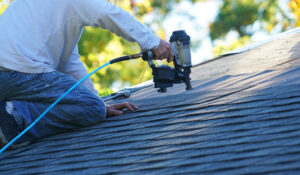
Regular roof inspections are the cornerstone of effective roof maintenance. Even if no visible damage is present, subtle issues such as small cracks, loose shingles, or rusted flashing can compromise the integrity of your roof over time. Inspections should be conducted at least twice a year, ideally in the spring and fall, and after extreme weather events. During an inspection, look for signs such as curling or missing shingles, water stains in the attic, moss or algae growth, and sagging areas. Professional roofers can also identify problems that may not be apparent to the untrained eye, providing a comprehensive evaluation and preventing future damage. Read on to Learn More.
roofing

Gutter and drainage maintenance is another vital aspect of roof care. Clogged gutters prevent proper water flow, leading to pooling on the roof, leaks, and potential foundation damage. Debris such as leaves, twigs, and dirt can accumulate quickly, especially in homes surrounded by trees. Regular cleaning, combined with checking downspouts for blockages, ensures that water is directed away from the roof and foundation. Additionally, adding gutter guards or screens can reduce the frequency of maintenance and protect the roof from water-related deterioration.

Roof cleaning and debris removal are essential preventive measures. Leaves, branches, and other debris not only block water flow but can also trap moisture, leading to mold, rot, and structural weakening. Moss and algae are particularly problematic for shingle roofs, as they retain moisture and accelerate deterioration. Roof cleaning should be performed carefully to avoid damaging shingles or tiles. Soft washing techniques, along with the application of eco-friendly cleaning solutions, are recommended to maintain the roof’s integrity while removing harmful buildup.

Repairs and timely replacement of damaged components are key to extending a roof’s lifespan. Missing or broken shingles, cracked tiles, rusted metal panels, or damaged flashing can quickly escalate into more severe problems if left unattended. Professional roofing services provide targeted repair solutions, ensuring that damaged areas are properly sealed, reinforced, or replaced. Addressing these issues early prevents water infiltration, mold growth, and structural compromise, ultimately saving money and extending the overall life of the roof.

Two preventive maintenance strategies every homeowner should prioritize include:

  1. Seasonal Roof Checks: Conduct visual inspections and minor maintenance tasks each season to detect early signs of wear, weather damage, or debris accumulation.
  2. Professional Assessments: Schedule periodic evaluations by certified roofing contractors to address issues that may not be obvious to homeowners and to ensure compliance with safety and building standards.

Proper ventilation and insulation are often overlooked aspects of roof health. Adequate ventilation prevents heat and moisture buildup in the attic, which can warp shingles, cause condensation, and reduce energy efficiency. Insulation works hand-in-hand with ventilation, helping to maintain consistent indoor temperatures and reducing strain on heating and cooling systems. Roof maintenance should include inspection of attic vents, insulation levels, and signs of moisture accumulation to ensure long-term roof performance.

Roof coatings and sealants provide an additional layer of protection. Applying reflective or waterproof coatings can extend the lifespan of roofing materials, improve energy efficiency, and reduce exposure to ultraviolet rays. Sealants protect joints, seams, and vulnerable areas from water penetration. While these measures are not substitutes for proper installation or repairs, they serve as an effective enhancement to routine maintenance, particularly in climates with heavy rainfall or intense sunlight.

Emergency roofing services are also a critical component of comprehensive roof care. Severe storms, fallen trees, or sudden leaks can pose immediate risks to a home’s structural integrity and interior. Rapid response services, such as temporary tarping, leak mitigation, and structural stabilization, prevent further damage and provide homeowners with the time and resources to plan permanent repairs or replacements. Prompt action during emergencies is essential to minimize costs and maintain a safe living environment.

In addition to physical maintenance, choosing durable roofing materials contributes significantly to longevity and performance. Options such as asphalt shingles, metal roofing, clay or concrete tiles, and synthetic alternatives offer varying levels of durability, weather resistance, and energy efficiency. A well-selected material, combined with professional installation, reduces the likelihood of premature wear, enhances aesthetic appeal, and ensures compliance with local building codes.

Key benefits of consistent roof maintenance include:

  1. Extended Lifespan: Routine inspections, cleaning, and minor repairs prevent damage from escalating, increasing the longevity of the roof.
  2. Cost Savings: Addressing minor issues early avoids expensive emergency repairs and full roof replacements.
  3. Enhanced Energy Efficiency: Proper insulation, ventilation, and reflective coatings reduce energy costs by maintaining consistent indoor temperatures.
  4. Improved Safety: Regular checks and repairs minimize risks of leaks, structural damage, or falling debris.
  5. Preserved Property Value: A well-maintained roof contributes to the overall appeal, durability, and market value of the home.

It is important to recognize that roof maintenance is a combination of homeowner responsibility and professional expertise. While homeowners can perform visual inspections, clean debris, and ensure proper drainage, professional roofing services provide the skill, tools, and knowledge necessary for comprehensive evaluations, repairs, and preventive solutions. Partnering with experienced contractors ensures that maintenance is conducted safely, efficiently, and in accordance with industry standards.

In conclusion, roofing services are more than just repairs and replacements—they encompass inspection, maintenance, cleaning, emergency support, and guidance on materials and installation. By prioritizing regular roof care, addressing damage promptly, and investing in professional assessments, homeowners can protect their properties, reduce energy costs, and extend the life of their roof. Preventive measures and proactive maintenance are the most effective strategies for ensuring that a roof continues to provide shelter, durability, and value for years to come. A strong roof is not only a protective barrier but a long-term investment in safety, efficiency, and peace of mind.

The Pros and Cons of Metal Roofing

Whether you are a contractor, installer, distributor or building owner it is important to understand the pros and cons of different metal roofing materials. This helps you to find the best metal roof for your home or business every time.

Roofing

Typical metal roofs install quickly due to interlocking designs that speed up alignment, minimize deck prep over heavier materials and more. This is all on top of a longer lifespan and minimal maintenance requirements.

When it comes to the durability of metal roofs, the defining factors vary by the type of material and the specific project. For example, standing seam metal roofing made from Galvalume and Kynar 500-painted steel is a durable option that can last 50 years or more, while copper roofs can last for a century or more.

Stainless steel is another highly durable roofing choice for a variety of applications. Its corrosion resistance and ability to withstand harsh weather conditions make it an excellent option for areas with extreme temperature fluctuations. This type of roof is also efficient, reflecting sunlight instead of absorbing it, which helps to reduce energy costs. It’s also fire-resistant and non-combustible, making it a good fit for buildings with strict environmental guidelines.

Metal roofs provide a number of other benefits beyond their longevity and durability. Many of them are made from recycled materials and can be completely recycled at the end of their lifespan, which aligns with green construction goals. Additionally, the reflective surface of a metal roof can help lower a building’s energy bills by keeping interior temperatures cool.

The durability of a metal roof can also be improved by the type of maintenance it receives. Regular inspections and the use of high-quality roofing materials can extend the life of this roofing system. Metal roofs are also more resistant to common sources of wear and tear like heavy rain, hail, snow accumulation, and ice damming.

Corrosion is a common challenge for many residential and commercial structures, but the resiliency of metal roofing can help to prevent this from occurring. Its protective coatings and durable substrates make it a long-lasting choice for both new construction projects and replacement roofs.

A common misconception is that metal roofs create excessive noise during rain and storms. However, modern roofing materials and installation techniques can minimize noise levels. In addition, a metal roof’s insulation can dampen sounds during heavy rain or hailstorms. This makes it a great choice for homes, barns, and sheds that are seeking a rustic or industrial aesthetic. However, if noise is a major concern for a particular structure, then there are plenty of other roofing options available to meet the needs of any customer.

Aesthetics

Unlike the old, clunky metal roofs of the past, modern-day metal roofing creates a sleek aesthetic that accentuates the architectural design of homes and commercial buildings. Its versatility in styles, finishes, and panel profiles allows homeowners to choose the best metal roof for their project, ensuring it reflects their personal style while meeting functional requirements.

Homeowners can choose from an expansive palette of colors, enabling them to complement the color scheme of their homes and enhance their overall curb appeal. Additionally, they can opt for textured metal roofing, which adds a unique look to the exterior while providing superior durability.

The texture of a metal roof provides additional benefits beyond enhancing its visual appeal. Textured panels resist scuffs and scratches more effectively than their non-textured counterparts, and they are less prone to a wavy distortion known as oil canning. This type of distortion impacts the flat areas of the panels and can make them appear unkempt.

Additionally, textured metal roofing is more resistant to the high-impact damage that can impact other types of metal roofing materials, such as aluminum. Despite its resilience, however, metal is susceptible to denting from large debris or sudden impacts like hail. In such cases, prompt repairs are crucial to prevent dents from damaging the structural integrity of the roof.

While some homeowners might fear the dings and dents that can come with a metal roof, these marks are easily repaired by professionals. Regular maintenance can also mitigate dings and dents and ensure that the roof is in top condition for its lifetime.

In addition to their aesthetics, metal roofs can be used as accent pieces on covered porches and dormers. Using a mix of different roof types in the same space can be done for aesthetic or practical reasons, but it is important to consider the effects of expansion and contraction on each type of roof as well as the effect on color matching. In such cases, it is recommended that professional advice be sought to ensure the best results.

Energy Efficiency

Energy efficiency is a growing trend in building design and construction. This means using less energy to heat and cool homes, which minimizes the burden on the environment as well as saving money on utility bills. Metal roofs offer several energy-saving advantages that make them a wise choice for homeowners and businesses alike.

The most obvious advantage is that metal roofing reflects solar radiant heat, rather than absorbing it, which can reduce cooling costs by 10% to 25%. This significantly lowers energy consumption and helps to keep a home or business cooler, reducing the strain on air conditioning systems.

Metal also offers superior thermal emittance, meaning it releases absorbed heat more efficiently than other roofing materials. This is important because heat absorption can stress the roof and lead to premature wear and tear. However, metal’s reflective qualities can help to prevent this problem by keeping a roof cooler and extending its lifespan.

Additionally, the hard surface of a metal roof resists snow and hail damage better than traditional shingles. This can protect the integrity of the roof and decrease the need for costly repairs after storms.

A metal roof can be made of recycled or even completely recyclable materials, which makes it an environmentally responsible option for both new and existing buildings. And unlike shingles, which must be cut, which creates waste material, metal is fabricated on-site according to precise measurements, resulting in less waste.

Furthermore, a metal roof can last 50 years or more without needing any maintenance, which again cuts down on energy use and saves on production costs and waste. Finally, because a metal roof can be installed over existing shingles, it eliminates the cost of tearing off and disposing of the old roofing system.

The durability and aesthetics of a metal roof make it an excellent investment for both residential and commercial buildings. Its long lifespan and high energy efficiency make it a smart choice for any homeowner or business looking to maximize their budget and minimize their impact on the environment. For more information about a metal roof, contact Sheffield Metals, a leading distributor of coated and bare metal standing seam panel systems.

Maintenance

A metal roof is designed to withstand severe weather, but even the most durable roofing needs regular maintenance to keep it looking and functioning its best. This prevents small issues from escalating into major repairs and prolongs the lifespan of your roof.

A few minutes of inspection and cleaning can nip problems in the bud. Ideally, homeowners should schedule inspections twice a year, during the spring and fall. This way they can address minor damage before the onset of harsh winter or summer storms.

During these inspections, look for signs of corrosion or rust, dents and loose screws and panels. Loose fasteners can cause leaks and deterioration if left unattended. A small rust spot may not seem like a big deal, but it can deteriorate further and result in structural damage. It’s also a good idea to check for any leaking water spots. These should be repaired as soon as possible to avoid further damage and expensive repair costs.

A well-maintained metal roof looks attractive and increases the value of your home. It also protects your property from the elements and helps reduce energy bills. Additionally, it’s a great selling point if you ever decide to sell your home in the future.

It’s a good idea to schedule a roof cleaning every 5 to 10 years, depending on the manufacturer’s recommendation. This will help keep the metal free from harmful UV rays and moisture that can penetrate the surface and cause deterioration. It’s important to hire a professional for these tasks so that they can use the appropriate tools and techniques. They’ll also know how to clean the roof properly to avoid damage and voiding the warranty.

Homeowners should wear proper PPE (personal protective equipment) when inspecting and performing any maintenance on a metal roof, especially if it’s a steep sloped roof. It’s also a good idea for them to hire a contractor or have someone else stay on the ground while they perform any maintenance on the roof for added safety.