How Long Does a Roof Replacement Last?

Roof Replacement involves a significant investment, but it protects homeowners from expensive future damage. A good roofing contractor will make the process smooth from start to finish.
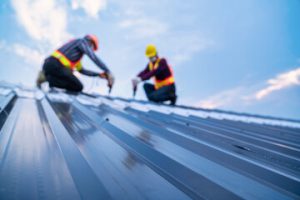
Roof Replacement

The first step is securing permits. The roofing contractor also prepares the work area by covering plants, securing tarps to catch debris and moving outdoor furniture.

The average roof replacement costs about $11,500, though the exact amount you’ll need depends on the material and design of your home. The type of roofing materials is a major factor, as different types offer varied lifespans and durability. Depending on your needs, you may opt for traditional asphalt shingles, metal roofing that’s both energy-efficient and durable, or natural wood shakes or tiles. Other components that affect the cost include the square footage of your roof, and building supplies like underlayment and flashing.

The architectural style of your roof also plays a role. A simple gable or gambrel roof requires less materials and labor than a mansard or a valley-style roof. Other roof features like dormers and skylights will increase the scope of your project, increasing the overall cost.

You should also consider your local weather conditions. Homes in areas prone to hail or severe storms may require more frequent repairs, which can add up over time. A roof replacement can help protect your home from future damage and improve its ability to withstand extreme weather.

When it comes to deciding between repair and replacement, you’ll need to weigh short-term savings against long-term benefits. Repairs are cheaper upfront but only address specific issues, while replacement offers a comprehensive solution and can increase your property value. Contact a professional roofer to assess your home and determine which option is best for you.

The cost of a roof replacement includes the price of removing and disposing of the old roofing materials, as well as the labor to install the new one. It’s estimated that up to 60% of the total replacement cost goes towards these expenses. Other expenses include the cost of underlayment, nails, tools, ladders, and other materials needed for the project. The size of your roof and its slope play a role in the overall cost, as larger or steeper roofs are more difficult to work on. The location of your home and the availability of skilled labor also influence these costs. However, you can offset some of these expenses by scheduling the project during off-peak seasons and by choosing more affordable materials.

Lifespan

The lifespan of a Roof Replacement can vary widely, depending on materials, climate, and maintenance. Understanding how roofs last can help homeowners plan ahead for repairs and replacements, maximizing the lifespan of their homes’ most valuable investment.

Asphalt shingles have an average lifespan of 15 to 30 years, while more premium options like metal roofing and clay tiles can last 50 or even 100 years. Other factors affecting the lifespan of a roof include the direction it faces and its exposure to UV light. These factors can cause premature aging, which can lead to damage and leaks. Fortunately, some of these issues can be addressed with timely repairs and inspections.

While repairing minor damage is usually a practical option, severe weather or other circumstances may require an entire roof replacement. For instance, sagging sections of a roof can indicate significant water damage that could undermine the structure of the house and cause mold and mildew. A new roof can prevent future problems and save homeowners money in the long run.

If you are unsure whether it is time to replace your roof, it’s recommended to have an annual inspection. A certified professional will be able to spot problems that you might miss and can recommend the best solution. Additionally, regular maintenance and inspections can increase your roof’s lifespan and protect it from unnecessary damage.

Roofs are hard-working, protecting your home day in and day out. Over time, however, they can suffer from wear and tear that requires repair or replacement. The estimated amount of time to install a new roof depends on the type of roof you have, its size, and your home’s architectural features. For example, a roof with multiple valleys and dormers will take longer to install than a flat roof.

A roof’s lifespan can be influenced by a wide variety of factors, including the type of material and installation quality, climate conditions, and maintenance routines. Understanding these factors can empower Staten Island, Brooklyn and New Jersey residents to make informed decisions about their roofing needs, ensuring that their homes remain safe, energy-efficient, and visually appealing for many years to come.

Energy Efficiency

A roof is more than just a shelter from the elements. It’s also an insulator, energy efficiency booster, and an important asset for home value. However, like any other part of a house, it’s vulnerable to damage and wear over time. Timely repairs prevent energy loss, protect against water damage, and reduce energy bills. But if your roof is nearing the end of its lifespan, it’s worth considering a replacement.

A new roof offers several advantages compared to repairs, including:

Energy efficiency

Your home’s insulation and HVAC system are responsible for regulating temperature throughout the year. Unfortunately, even minor damage can cause gaps that allow heat to escape during the winter and infiltrate during summer, putting a strain on your heating and cooling systems. This is why it’s important to get your roof repaired or replaced before the problem worsens.

New roofing materials offer better insulation and can cut your energy costs by up to 15%. Plus, many of these materials are ENERGY STAR® certified and eligible for tax credits. The IRS has extended the deadline for claiming these credits, so there’s still plenty of time to make your home more energy efficient.

Another benefit of a new roof is protection against water damage. Leaks from a damaged roof can lead to mold, mildew, and structural damage. Replacing your roof before it’s damaged is a great way to protect your investment and keep your family safe.

A final reason to invest in a new roof is to boost your home’s resale value. A modern, energy-efficient roof is more appealing to potential buyers and can increase your resale value by up to 15%.

A new roof is a long-term investment, but it’s well worth the expense. It can reduce your energy costs, improve home comfort, and add to resale value. In addition, it can improve curb appeal and minimize the need for repairs. To learn more, contact a roofing professional for an assessment. They can advise you on the best roofing material for your budget and lifestyle. Choosing the right material will ensure your roof lasts for years to come.

Appraisal

When a roof is old, damaged or in need of replacement, it can impact both the appraisal and salability of a home. Potential buyers may be wary of a house with an old, leaky or inefficient roof because they know that major repair costs are likely to be required soon after purchase. Ultimately, this can result in a longer selling time and lower offer prices. A new, energy-efficient roof can increase a home’s marketability and allow for faster sales.

A Roof’s Condition Matters

Appraisers are looking at a lot more than just the structure of your roof when they conduct an inspection. They are also assessing its safety and structural integrity, as well as its energy efficiency. Any issues that are identified during an appraisal, such as major leaks, sagging or severe shingle loss, can detract from the overall value of your property. They might even prompt lenders to request repairs or refuse to approve loans for homes with these problems.

In addition, your roof’s aesthetics play a significant role in its perceived value. A clean, neatly maintained roof is considered a positive feature that suggests a well-cared for and maintained home. This can make the difference between getting top dollar for your property and selling it quickly, or dragging out the process and accepting lower offers.

Fortunately, you can take steps to avoid issues during an appraisal by having your roof inspected and repaired before selling. This will give you peace of mind and help ensure that any flagged problems are taken care of before an appraisal, potentially saving you money in the long run.

It is also important to be upfront and transparent with potential buyers about any issues that might arise during an appraisal. This will build trust and expedite the sale, so both parties can reach a successful agreement. Having an honest dialogue about any needed repairs can prevent potential deal-breakers and ensure that everyone is working toward the same goal: a successful sale of your home. If necessary, you can always agree to pay for certain repairs as part of the sale or agree to adjust the asking price of your home accordingly.
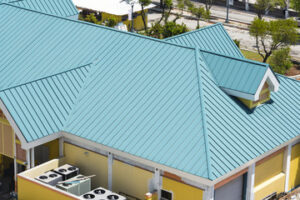
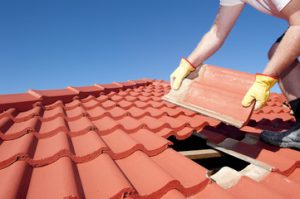
The Quiet Revolution of Metal Roof Installation

Strength begins at the top. Metal Roof Installation Helena MT has quietly transformed from an industrial solution to a symbol of modern home resilience. The growing preference for metal materials reflects a deeper awareness of durability, sustainability, and design flexibility. This shift is not just a trend—it’s an evolution of how people think about protection and longevity.

roofing

Homeowners today seek roofs that do more than cover; they want systems that endure. Metal roofing meets that expectation with a blend of practicality and aesthetics that few materials can match. Its ability to withstand harsh climates while maintaining visual appeal makes it a long-term investment rather than a temporary fixture. The rise of this roofing choice represents both progress and practicality.

Every metal roof installation begins with precision planning. The preparation phase determines the overall success of the project, ensuring alignment, measurement accuracy, and compatibility with the structure below. A well-executed installation doesn’t just protect—it elevates the home’s overall value. Each layer, screw, and panel placement contributes to decades of reliable performance.

Unlike traditional materials that deteriorate quickly, metal roofing resists time and temperature. It reflects sunlight, minimizing heat absorption and reducing cooling costs during warmer months. Its strength also provides stability against wind, rain, and debris, offering peace of mind even during unpredictable weather. This resilience transforms a simple structure into a lasting shield.

The artistry of installation lies in detail. Professionals approach each step with both technical skill and creative precision. Panels must align seamlessly, fasteners must hold firmly, and edges must resist moisture intrusion. The smallest misstep can lead to inefficiencies, which is why expertise remains at the heart of flawless execution.

Beyond protection, metal roofing introduces an aesthetic dimension. Homeowners now embrace bold finishes, unique textures, and clean lines that complement both classic and modern architecture. The reflective surface interacts beautifully with light, creating a dynamic visual effect that changes throughout the day. This harmony of function and form turns practicality into design excellence.

Sustainability drives much of the demand for metal roof installation. Many materials are recyclable, reducing waste while promoting environmental responsibility. Energy efficiency adds another layer of benefit, allowing households to consume less power. The balance between strength and sustainability sets metal roofing apart in an age of conscious construction.

Maintenance is remarkably simple compared to other roofing systems. Occasional cleaning and inspection ensure continued performance, with minimal intervention required. The absence of rot, cracks, or insect damage further extends its lifespan. Homeowners appreciate the freedom from constant upkeep while enjoying lasting protection.

Installation technology has advanced significantly in recent years. Tools and techniques have evolved to maximize efficiency while minimizing disruption. Fastening systems now provide tighter seals, reducing the likelihood of leaks or structural compromise. Precision cutting ensures that each component fits perfectly, maintaining structural integrity and visual cohesion.

One of the most appealing aspects of metal roofing is its adaptability. It can be installed over existing materials in some cases, reducing waste and installation time. This approach simplifies renovation while maintaining high performance standards. The ability to blend innovation with convenience gives metal roofs a distinct advantage.

Thermal efficiency is another silent strength of metal roofing. Reflective coatings reduce heat absorption, keeping interiors comfortable without overreliance on cooling systems. This small detail contributes significantly to long-term energy savings. Over time, the roof pays back its cost through reduced utility expenses and sustained comfort.

Noise reduction technologies have also advanced, addressing a common misconception about metal roofs. Proper insulation layers now absorb sound effectively, keeping indoor spaces quiet even during heavy rain. This combination of engineering and material science has redefined what metal roofing feels like to live under. Functionality now meets serenity in every drop that falls.

Safety is another defining advantage. Metal roofing is naturally fire-resistant, offering protection that traditional materials can’t guarantee. Its non-combustible nature reduces risk and enhances overall security for homeowners. In areas prone to lightning or high heat, this characteristic adds an extra layer of assurance.

Longevity remains its greatest value. While other materials may demand replacement within decades, metal roofing can last half a century or more with proper care. This endurance reduces the environmental impact of frequent replacements while providing generational protection. A roof that lasts this long becomes a legacy rather than a simple fixture.

Installation precision ensures that the structure performs as intended for years to come. The process begins with careful measurement, ensuring proper alignment and slope for water runoff. Underlayment materials enhance moisture control, while fastening methods secure panels tightly against movement. The final result is a system engineered for endurance and reliability.

Modern designs allow homeowners to personalize their roofing style. From matte finishes to textured panels, customization brings individuality to each installation. Colors can harmonize with landscapes or contrast boldly for contemporary appeal. The roof becomes a statement piece that reflects both personality and architectural vision.

Cost efficiency may not appear immediate, but long-term benefits outweigh initial expenses. Energy savings, minimal maintenance, and extended lifespan create a cumulative return. Over time, the investment becomes more economical than traditional roofing. Homeowners recognize this balance as the essence of smart construction planning.

Metal roofing’s role in climate resilience cannot be overstated. As weather patterns grow more unpredictable, materials that endure extremes become essential. Metal surfaces deflect heat, resist storms, and withstand corrosion from constant exposure. This resilience ensures consistent performance even in the face of environmental challenges.

Advancements in coating technology continue to redefine durability. Protective finishes prevent rust, fading, and water damage, maintaining the roof’s appearance for decades. These innovations reduce maintenance costs while ensuring that aesthetic integrity remains intact. Every layer of protection adds both beauty and strength to the structure.

The installation process itself has become more environmentally friendly. Reduced waste, recyclable materials, and efficient logistics minimize carbon footprints. Skilled teams follow sustainable practices that align with global goals of reducing resource consumption. The industry’s evolution reflects a conscious shift toward responsible construction.

Customization extends beyond appearance to include performance features. Certain coatings can enhance reflectivity, while others focus on corrosion resistance or insulation. Each home can have a roof uniquely tailored to its climate and energy needs. This flexibility empowers homeowners to design with purpose and precision.

The silent benefit of metal roofs lies in their value retention. Properties with these systems often experience higher appraisal values due to durability and efficiency. Potential buyers view them as upgrades rather than standard components. This perception makes them both a practical and financial investment.

Innovation continues to drive the industry forward. Smart roofing systems integrating solar technology and temperature sensors are emerging. These advancements turn roofs into active energy systems, reducing dependence on traditional power sources. The fusion of technology and structure marks a new chapter in sustainable living.

Proper installation remains critical, regardless of technological progress. Even the most advanced materials fail without skilled craftsmanship. Precision handling ensures longevity, weatherproofing, and aesthetic perfection. The collaboration between material and method determines the ultimate success of the project.

Homeowners often appreciate the silent confidence a metal roof provides. It symbolizes preparedness, strength, and thoughtful design. Beyond appearance, it embodies the principle of building once and building right. That reliability extends far beyond architecture—it becomes part of the home’s identity.

Repair and replacement are rare but manageable when needed. Modular systems allow for individual panel adjustments without dismantling the entire structure. This feature simplifies maintenance while preserving the roof’s integrity. Longevity and flexibility work hand in hand to ensure continued performance.

The environmental benefits stretch beyond energy efficiency. Recyclability at the end of its lifespan reduces landfill waste dramatically. This circular sustainability ensures that even after decades of use, the material remains valuable. Few construction materials achieve this balance of endurance and renewability.

Aesthetics continue to evolve as design trends shift. Sleek lines, metallic hues, and modern contours redefine traditional roofing expectations. Each roof installation becomes an artistic collaboration between homeowner and installer. The result blends technical perfection with visual sophistication.

For many, the decision to choose metal roofing comes from a desire for permanence. It represents security in an uncertain world and durability against nature’s unpredictability. Its quiet strength tells a story of investment in quality and foresight. This mindset transforms construction from necessity into legacy.

Contractors who specialize in metal roof installation understand that precision is their brand. Every measurement, cut, and fastening decision reflects their craftsmanship. Their expertise ensures that every roof installed performs flawlessly under real-world conditions. In a sense, their work becomes a fusion of art and engineering.

The relationship between installer and homeowner defines the project’s success. Clear communication about expectations, timelines, and outcomes builds trust. Homeowners value transparency and skill in equal measure. When both align, the finished product becomes a testament to partnership and professionalism.

Metal roofing’s popularity continues to rise as awareness spreads. Its combination of modern aesthetics and unmatched resilience appeals to diverse tastes. From traditional homes to avant-garde designs, it adapts seamlessly. This versatility ensures its continued relevance across generations of architecture.

Ultimately, the story of metal roof installation is one of quiet transformation. It reflects humanity’s ongoing pursuit of strength, sustainability, and style. Each installation represents progress—a commitment to building smarter and lasting longer. Beneath its polished surface lies the essence of innovation, endurance, and thoughtful living.

Roofing Basics

Cedar Park Roofing is the physical structure that protects buildings from weather elements. Whether you’re a homeowner looking to repair your roof, or an architect with a design project that calls for a new structure, it’s important to understand roofing basics.

Roofing

Asphalt shingles are common in residential construction because they’re affordable, durable, and easy to install. They also offer a range of aesthetic options.

Insulation may not be the most exciting home improvement project, but it’s one of the best investments you can make in your home. It saves energy, improves comfort, and prolongs the life of your roof and home.

When it comes to deciding what kind of insulation you want to install in your home, it’s important to understand how insulation works and the different options available.

A good insulator is made up of non-metallic materials filled with tiny air pockets. The air pockets resist the flow of heat about 15,000 times better than a good metallic conductor of the same thickness. Some popular types of insulators include foamed plastics, cork, fiberglass, rock wool, and cellulose. Some insulators are also fireproof. Others are made from natural fibers, such as sheep’s wool, and are a more sustainable option.

Generally, the higher the R-value, the more effective the insulation is. However, R-value is not the only factor to consider when choosing your insulation, as heat can still move in and out through radiation and convection. You should also consider the type of insulation you are choosing, and whether it creates a complete air seal.

For example, fiberglass batt insulation is rolled and fitted between studs, joists, and beams during a remodel or new construction. It is relatively inexpensive and provides good thermal resistance. Cellulose and foamed plastics are more environmentally friendly alternatives, but they don’t have the R-value of fiberglass.

Another popular choice is spray foam insulation, which expands upon application to fill gaps and crevices. It is often more expensive than other forms of insulation, but it can be a great solution for hard-to-reach areas and offers excellent R-value.

There are two kinds of spray foam: open and closed cell. Open cell is a more durable option that holds its shape after installation, but it doesn’t offer the same expansion as closed cell.

Adding insulation to the ceiling of your home is usually the most cost-effective way to increase your R-value, since it covers such a large area. However, it’s important to work with a roof services company to ensure that the job is done correctly and that your home doesn’t leak.

Ventilation

The roof is an important part of any building, providing protection, insulation, and structural stability. It is also an integral part of a home’s ventilation system, allowing air to circulate properly and prevent mold, mildew, and other problems. In addition, proper roof ventilation protects the structure from heat damage and saves money on energy bills. The roof is a complex structure that includes the framework, decking, and outer layer of materials. To ensure a long-lasting roof, it is essential to choose the right materials, design, and maintenance strategies.

Proper ventilation prevents heat and moisture from accumulating in the attic, which can damage shingles, warp the decking, and rot the underlayment. Moisture and heat in the attic can also affect indoor air quality, causing respiratory issues for residents. Good ventilation can prevent these problems by directing cool, fresh air to the attic from the soffit vents and exhausting hot or stale air through the ridge or gable vents.

The ideal roof ventilation system is designed to provide a continuous flow of fresh, clean air through the attic and out of the house. This airflow uses intake vents (soffit, gable, or drip-edge) to bring in cold air and exhaust vents (ridge, box, turbine, or powered vents) to push warm air out. This process helps avoid attic overheating during summer, which can cause the shingles to curl and blister.

Ventilation is also important in commercial buildings to improve the indoor air quality and provide comfort for occupants. Air recirculation can help reduce indoor pollutants by removing dust and diluting metabolic pollutants, such as carbon dioxide and odours. However, it is best paired with source control measures to reduce pollution in the first place. For example, if a business is located near a freeway, it is best to limit the amount of secondhand smoke that enters the building to prevent health issues. In addition, reducing emissions from coal-burning factories can prevent pollutants from migrating indoors.

Durability

Durability is a crucial aspect of any roofing system. It helps prevent roof leaks and water accumulation, which can lead to structural damage and mold growth. Durability is also key in minimizing the need for repair and maintenance, as well as reducing energy costs. Durability is influenced by various factors, including climate conditions, design and installation, protective coatings, maintenance schedule, roof pitch, and ventilation systems.

Durable roofing solutions protect buildings from extreme weather challenges while enhancing energy efficiency and lowering long-term costs. Durable roofing materials include asphalt shingles, metal, tile, slate, and premium composite roofing products. Each material offers different pros and cons, but all offer a level of durability that will help withstand severe weather conditions and environmental elements.

In addition to a durable roof, a sturdy underlayment layer adds an extra barrier of protection between the decking and the shingle surface. While felt underlayments were once the standard for roofing, synthetic underlayments have gained popularity for their durability and moisture-repellent properties.

Choosing the right roofing material is a critical decision for any homeowner or commercial property owner. The best durable roofing options for California are those that offer superior resistance to the region’s unique environmental challenges, while also meeting the specific needs of the building and its occupants. Durable roofing solutions that are backed by professional installation and routine maintenance help reduce energy costs, extend the lifespan of the roof, and enhance the overall value of the structure.

Aesthetics

The roof is not just a structural component – it also has the power to dramatically affect the look and style of a building. For this reason, it’s important to choose a roofing style that matches the architectural ethos of the structure. Classic materials like slate and clay tiles can add elegance and historical authenticity, while more modern roofs can benefit from sleek flat roofing systems or innovative green roofs that emphasize sustainability and clean lines.

Philosophical Aesthetics is a broad area of study that deals with the nature and origin of aesthetic experiences, such as beauty, pleasure, and art. The field’s history includes works by writers such as Hutcheson, Hume, and Kant. More recently, philosophers have debated issues related to the proper role of aesthetic concepts. For example, some have argued that pure aesthetic concepts are not appropriate in the context of moral judgments and should be restricted to non-moral objects of awareness. Other philosophers, however, have defended the use of pure aesthetic concepts in moral judgments, and have suggested that the concept of beauty is not as objective as once believed.

Aesthetics is not just about artistic objects, but can include all kinds of things, from mathematical equations to the way a tree grows. In general, the goal of philosophical aesthetics is to analyze the nature of these experiences and how they relate to our lives. It is important to keep in mind that, even though our sense of beauty varies, we all share some experiences and some emotions related to these experiences.

For example, many people find a waterfall or sunset beautiful. However, it is important to note that these are not the same kind of experience as the enjoyment of a piece of art.