A roof is a critical part of any home and protects it from the elements. Keeping it well-maintained helps prevent leaks and conserve energy.
The foundation of any roof is the frame, which can be made either from rafters or prefabricated trusses. A sheathing layer such as plywood or oriented strand board covers the rafters.
Insulation
Insulation is designed to slow down the transfer of heat, cold, and sound, creating a more comfortable indoor environment. It stabilizes temperatures and cuts energy costs, making it a vital component of home construction.
The effectiveness of insulation is measured by its R-value, which represents the material’s resistance to the flow of heat. The higher the R-value, the better the insulation. Insulation is available in a number of forms and materials, including fiberglass batts, rock wool or cellulose, spray foam and rigid foam boards.
Spray and foam insulation are often applied with special equipment and can be cut to size, while rigid board is a prefabricated material that’s ideal for framing walls and roofs. Foam is also used in structural insulated panels (SIPs), which combine wood sheathing with foam cores to create walls, roofs and foundations that are more durable, stronger and lighter than conventional construction.
Different climates require specific types of insulation. For example, warmer homes need insulation that reflects heat rather than absorbs it, such as a radiant barrier. The roof and attic are the largest sources of heat loss, so it’s especially important to install proper insulation in these areas. Insulation also helps decrease electricity bills by reducing the amount of heat that escapes into unoccupied space, thereby decreasing the need for heating and cooling systems.
Protection
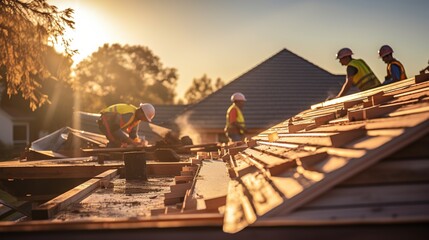
The roof is one of the most important parts of a home, keeping us protected day and night from the elements. But a roofing job isn’t without its risks, and roofers need to stay up-to-date on all safety guidelines to keep themselves safe while they work.
The most obvious danger is falling from a height while working on a roof. Federal guidelines dictate that anyone working on a roof must use specific fall protection equipment and systems. This includes guardrails, lanyards and full-body harnesses that connect to anchorage points on the roof to distribute force in the event of a fall, and communication equipment like two-way radios so workers can coordinate with each other and with ground personnel.
It’s also important to stay on top of the newest technologies in the field, as new products are being developed all the time to improve upon existing safety equipment. A monthly Internet search, or talking with your safety equipment vendor, is a great way to find out what’s available and whether any of it might be an improvement on the equipment you currently have in place.
Aesthetics
Roofing can play an important role in a building’s aesthetic, expressing its architectural character and harmonizing with its surroundings. The shape, materials, and color of a roof define its beauty and make a significant statement about the structure. The art of roof design is an essential consideration for architects, builders, and homeowners alike.
Aesthetics are a critical element of home improvement and construction projects, as they can greatly enhance the overall look of a building. Whether a home or commercial facility, the beauty of a roof makes a first impression on visitors and passersby that signals quality and care. A beautiful roof can also increase the value of a property, attracting buyers and enhancing its curb appeal.
The color of a roof can harmonize with the colors of siding and trim, or it can contrast and stand out. Roofing details such as dormers, cupolas, chimneys, skylights, and ridge vents can add visual interest and express a building’s architectural character. Roof gardens, or green roofs, are an emerging trend that can blend a building into its natural environment and contribute to sustainability and biodiversity.
Choosing the right roofing style and material is a personal decision that requires careful thought. A professional roofer can help you find a style that fits your personality and budget. They can recommend a material that is both durable and visually appealing, and they can provide samples of different colors and styles so you can see what they will look like on your house.
Maintenance
Your roof is an integral part of your home and should be inspected on an annual basis. Look for shingles that are missing, loose, or damaged and inspect the flashing (a strip of galvanized metal) around chimneys, vent pipes, dormers, and other vertical surfaces to prevent water leaks. Also, keep field drains clear to avoid ponding water which can cause structural damage and promote the growth of algae and mold.
Trimming tree limbs that hang over your roof is also an important maintenance item.