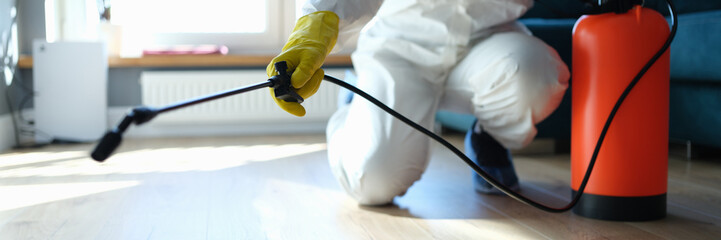
Pest control is an important part of maintaining a clean, comfortable, and well-protected home. Insects and rodents can enter through small openings, settle in hidden areas, contaminate food, damage property, and create ongoing frustration if infestations are not addressed early. While occasional pest activity may seem minor, recurring signs often indicate a larger problem developing somewhere inside or around the property.
Effective pest control combines inspection, treatment, prevention, and regular maintenance rather than relying on a single quick fix. Understanding how pest control works can help homeowners respond more effectively and reduce the likelihood of future infestations. Visit https://www.benspest.biz/ for more information.
What Is Pest Control?
Pest control is the process of managing, reducing, or eliminating unwanted insects, rodents, and other pests from residential or commercial properties. It involves identifying the pest, locating areas of activity, determining how it entered the property, and selecting an appropriate treatment method. Different pests require different strategies because their behaviors, nesting habits, and life cycles vary considerably. A treatment that works for ants may not be appropriate for rodents or termites. Accurate identification is therefore one of the most important parts of successful pest management.
Modern pest control also places significant emphasis on prevention. Instead of treating visible pests repeatedly, a more complete approach looks at the conditions that allow infestations to develop. Food sources, standing water, plumbing leaks, structural gaps, clutter, and landscaping can all influence pest activity. Correcting these conditions helps make the property less attractive to unwanted pests. Long-term pest management works best when treatment and prevention are used together.
What Are the Most Common Household Pests?
Homes can attract a wide range of pests depending on the season, surrounding environment, and condition of the property. Ants, spiders, cockroaches, termites, fleas, mosquitoes, wasps, mice, and rats are among the most common household pests. Each species tends to favor particular conditions, such as moisture, warmth, food availability, or hidden nesting areas. Recognizing the type of pest involved makes it easier to understand where activity is likely to occur. Pest identification helps guide the treatment process.
Seasonal changes can also influence pest behavior throughout the year. Warmer months often bring increased insect activity, while cooler weather may encourage rodents and certain insects to seek shelter indoors. Homes near wooded areas, standing water, dense landscaping, or food sources may experience higher pest pressure. Regular inspections can help identify changing activity before infestations become established. Understanding seasonal patterns supports better prevention.
How Does Professional Pest Control Work?
Professional pest control usually begins with a thorough inspection of the property. Technicians examine interior and exterior areas for signs of pest activity, nesting locations, entry points, moisture problems, food sources, and other contributing conditions. Kitchens, bathrooms, garages, basements, crawl spaces, attics, foundations, and outdoor areas often receive particular attention. The inspection helps determine how extensive the infestation is and what treatment methods may be appropriate. Proper evaluation creates the foundation for effective pest control.
After the inspection, a treatment plan is developed based on the pest and the condition of the property. Depending on the situation, this may include targeted applications, bait stations, traps, monitoring devices, exclusion work, or other methods. Professional pest control generally focuses on treating the areas where pests travel, nest, and enter rather than applying products indiscriminately. Follow-up visits may also be recommended when ongoing monitoring is necessary. A customized plan usually provides better results than a one-size-fits-all approach.
Why Is Pest Prevention So Important?
Preventing pests from entering a property is often easier than eliminating a large infestation after it has developed. Small cracks around doors, windows, utility lines, foundations, and roof areas can provide access for insects and rodents. Sealing these openings reduces opportunities for pests to move indoors. Preventive maintenance also includes repairing damaged screens, improving drainage, and reducing moisture around the property. These simple improvements can greatly reduce pest activity.
Good sanitation is equally important. Food crumbs, unsealed pantry items, pet food, garbage, and standing water can attract pests even in otherwise well-maintained homes. Keeping kitchens clean and storing food properly reduces the resources pests need to survive. Outdoor debris, overgrown vegetation, and firewood stored against exterior walls can also create sheltered nesting areas. Prevention works best when indoor and outdoor conditions are managed together.
When Should You Call a Pest Control Professional?
Professional pest control may be appropriate when pest activity becomes recurring, widespread, or difficult to identify. Frequent sightings, droppings, gnaw marks, nesting materials, unusual odors, damaged food packaging, or scratching sounds inside walls can all indicate a larger infestation. Some pests remain hidden for long periods, so visible activity may represent only part of the problem. Early professional evaluation can help determine the true extent of the infestation. Prompt treatment often reduces the amount of damage that occurs.
Certain pests also require specialized attention because they can cause structural or sanitation concerns. Termites, rodents, bed bugs, and large cockroach infestations may be difficult to manage with basic household products alone. Professional technicians can identify hidden nesting areas and develop a treatment strategy based on pest behavior. They can also recommend changes that reduce the likelihood of future activity. Expert evaluation is especially valuable when previous DIY treatments have not worked.
How Often Should Pest Control Be Scheduled?
The ideal pest control schedule depends on the property and the types of pests commonly found there. Some homes may only need occasional service when specific issues arise, while others benefit from routine inspections throughout the year. Properties with a history of infestations, older construction, heavy landscaping, or nearby natural areas may require more frequent monitoring. Seasonal pest activity should also be considered when planning service intervals. There is no single schedule that works for every home.
Routine pest control can help identify small problems before they become more difficult to manage. Regular inspections also allow preventive treatments and exclusion measures to be adjusted as conditions change. Even when no pests are visible, technicians may find early signs of activity around exterior entry points or hidden areas. Ongoing monitoring provides greater protection than waiting for an infestation to become obvious. A preventive schedule can help reduce future treatment needs.
Can DIY Pest Control Work?
DIY pest control can sometimes help with small or isolated pest problems. Store-bought traps, baits, and other products may reduce visible activity when the infestation is limited and the pest is correctly identified. Homeowners can also improve results by cleaning thoroughly, sealing entry points, and removing food and water sources. For minor problems, these steps may be enough to prevent further activity. The effectiveness of DIY treatments depends heavily on the situation.
However, DIY methods may not address hidden nests, breeding areas, or larger populations. Repeatedly treating visible pests can provide temporary relief while the main infestation continues elsewhere in the property. Incorrect product placement can also reduce effectiveness. If pest activity continues despite repeated household treatments, professional inspection may be the better option. Long-term control usually requires addressing both the pests and the conditions supporting them.
How Can Pest Control Protect Your Property?
Effective pest control helps protect building materials, stored belongings, food, and other household assets from damage or contamination. Rodents may chew wiring and insulation, while termites can weaken wood structures over time. Cockroaches and other pests may contaminate food preparation areas, and insects can damage stored materials. Preventing infestations reduces the likelihood of these problems developing. Property protection is one of the most important benefits of routine pest management.
Pest control can also improve the overall comfort of the home. Constant insect activity, scratching sounds, droppings, and unpleasant odors can make living spaces feel less clean and secure. Reducing pest activity helps create a more comfortable environment for everyone using the property. Preventive maintenance also allows homeowners to address pest concerns before they become emergencies. A proactive approach supports both property care and peace of mind.
Final Thoughts
Pest control is most effective when treatment, prevention, and regular property maintenance work together. Identifying pests accurately, addressing entry points, removing food and water sources, and responding quickly to warning signs can significantly reduce the likelihood of serious infestations. While minor pest activity may sometimes be managed with basic household methods, recurring or widespread problems often benefit from professional evaluation. Ongoing inspections can also help identify developing issues before they cause significant damage. By taking a proactive approach to pest control, homeowners can protect their property and maintain a cleaner, more comfortable living environment throughout the year.
Tags: Pest Control, Residential Pest Control, Pest Prevention, Professional Pest Control, Home Pest Control